
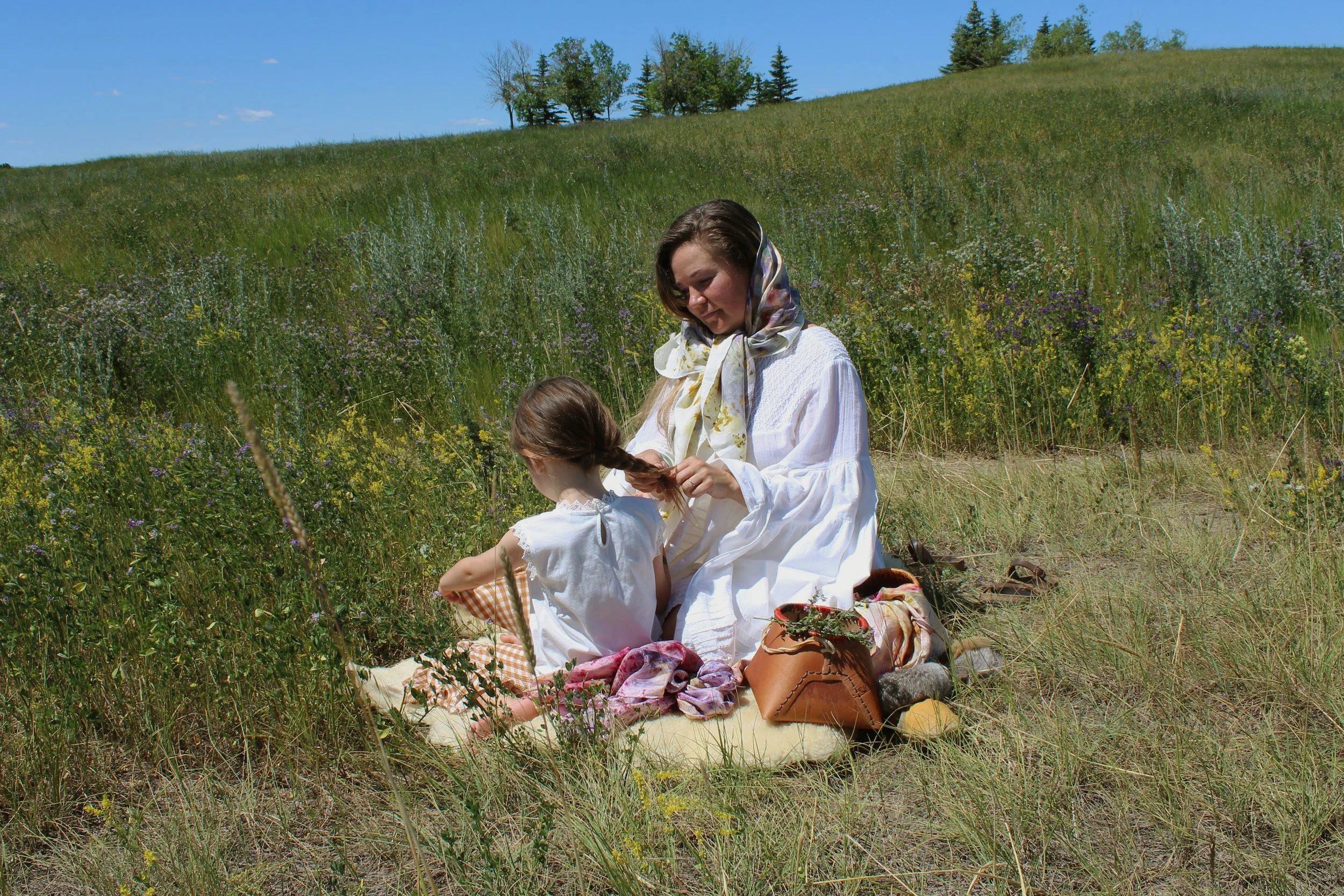
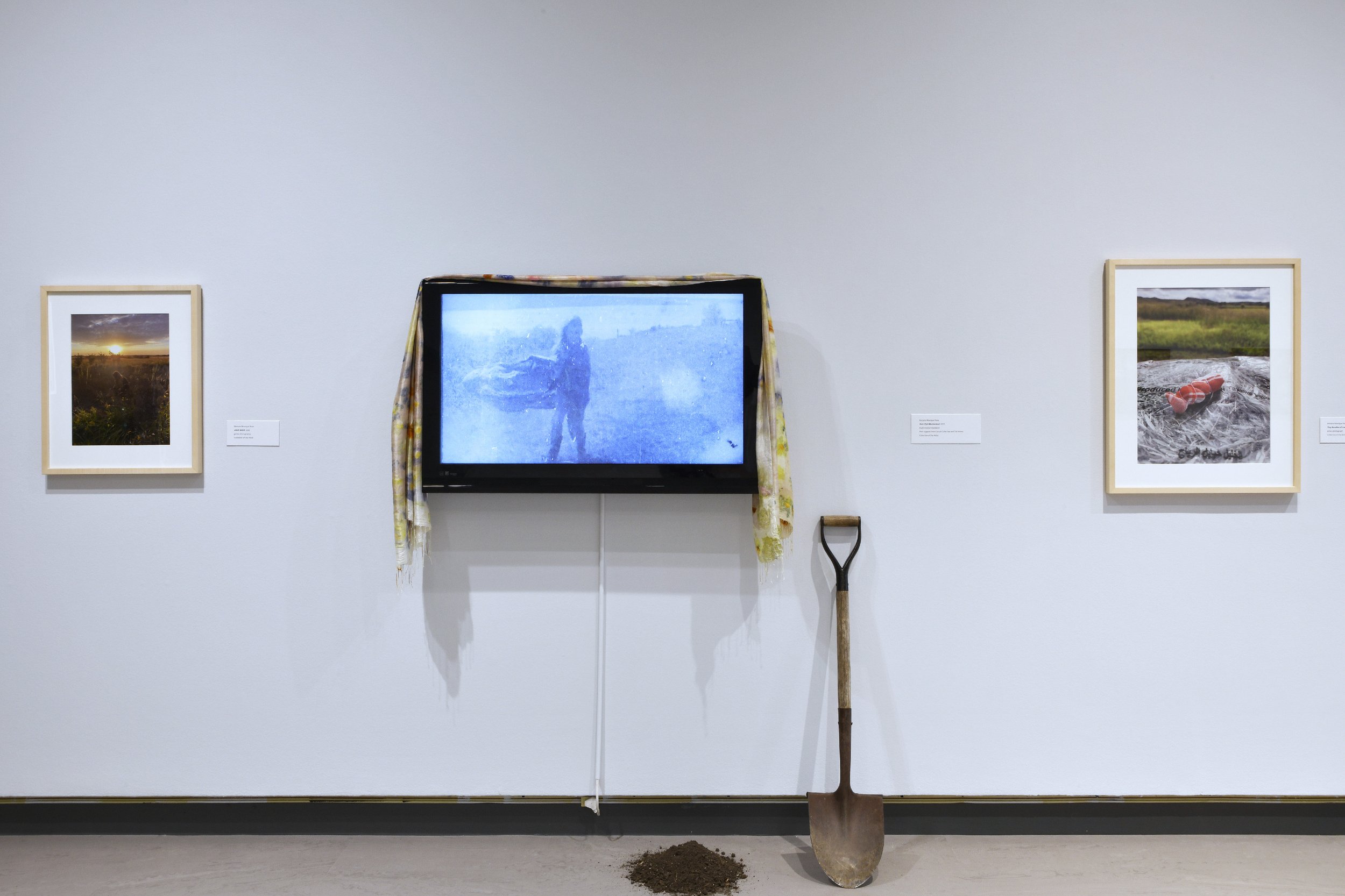
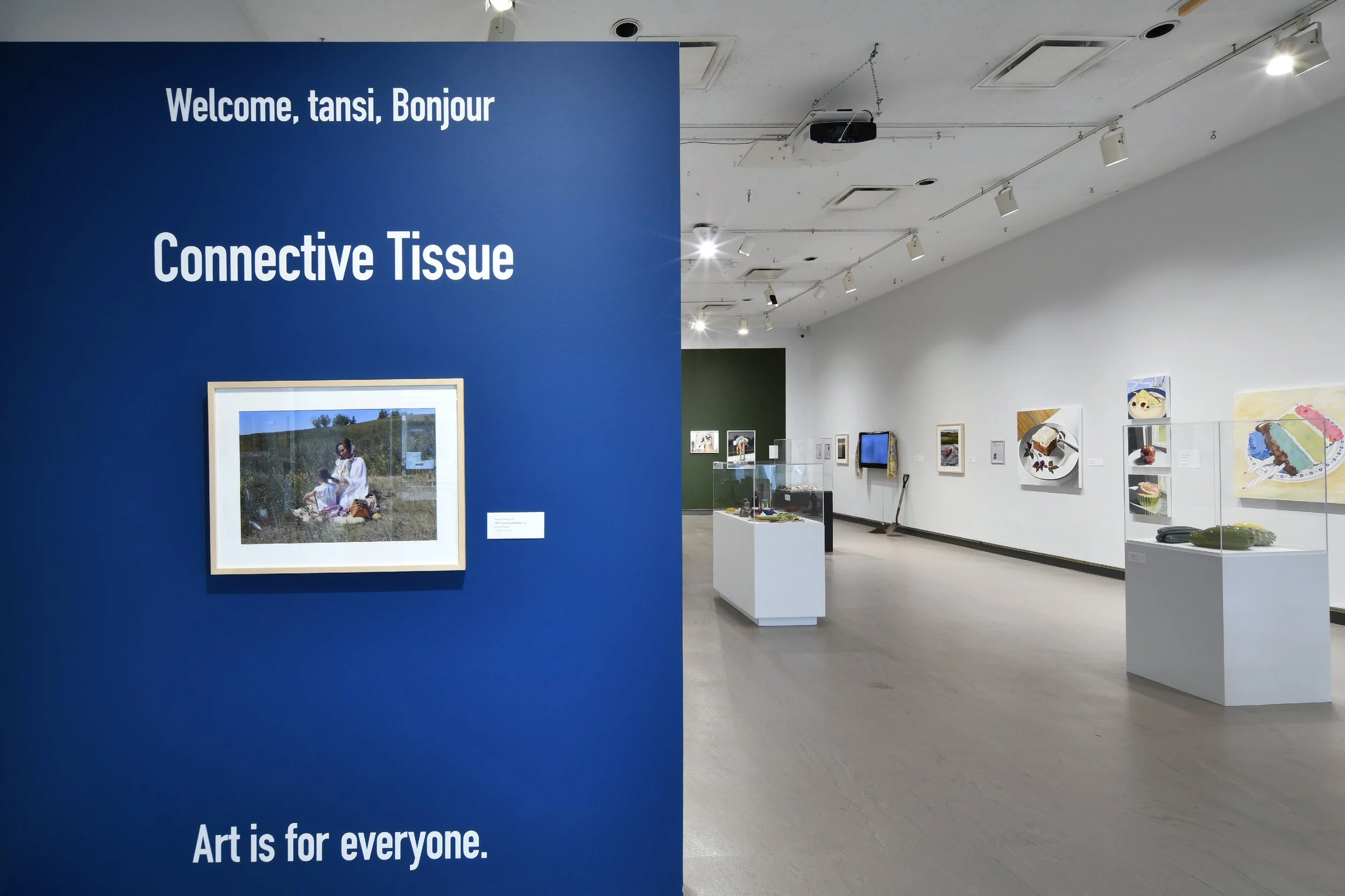
Melanie Monique Rose, HELD: Transferring Knowledge, 2022, giclee photograph.
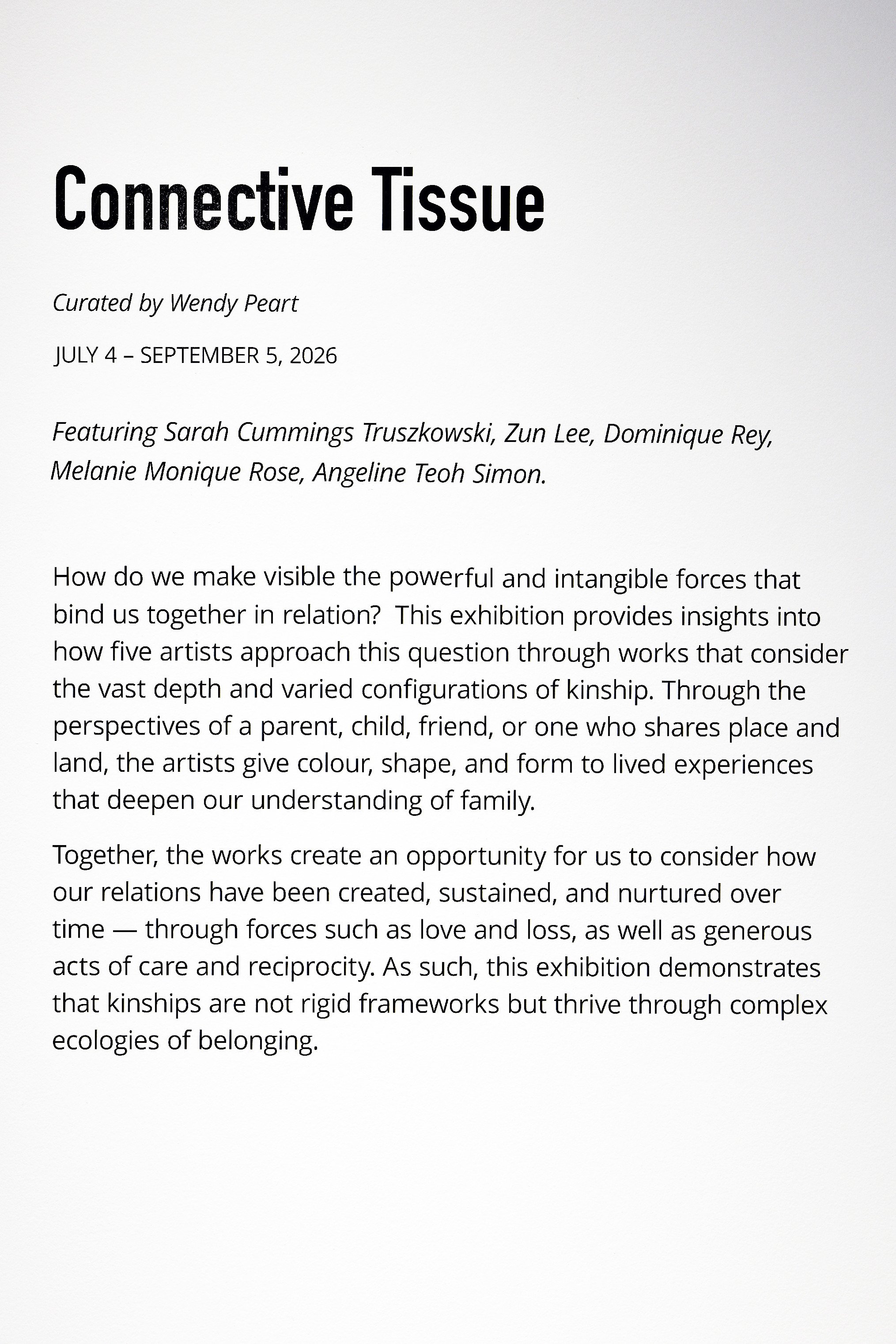
Featuring Sarah Cummings Truszkowski, Zun Lee, Dominique Rey, Melanie Monique Rose, Angeline Teoh Simon.
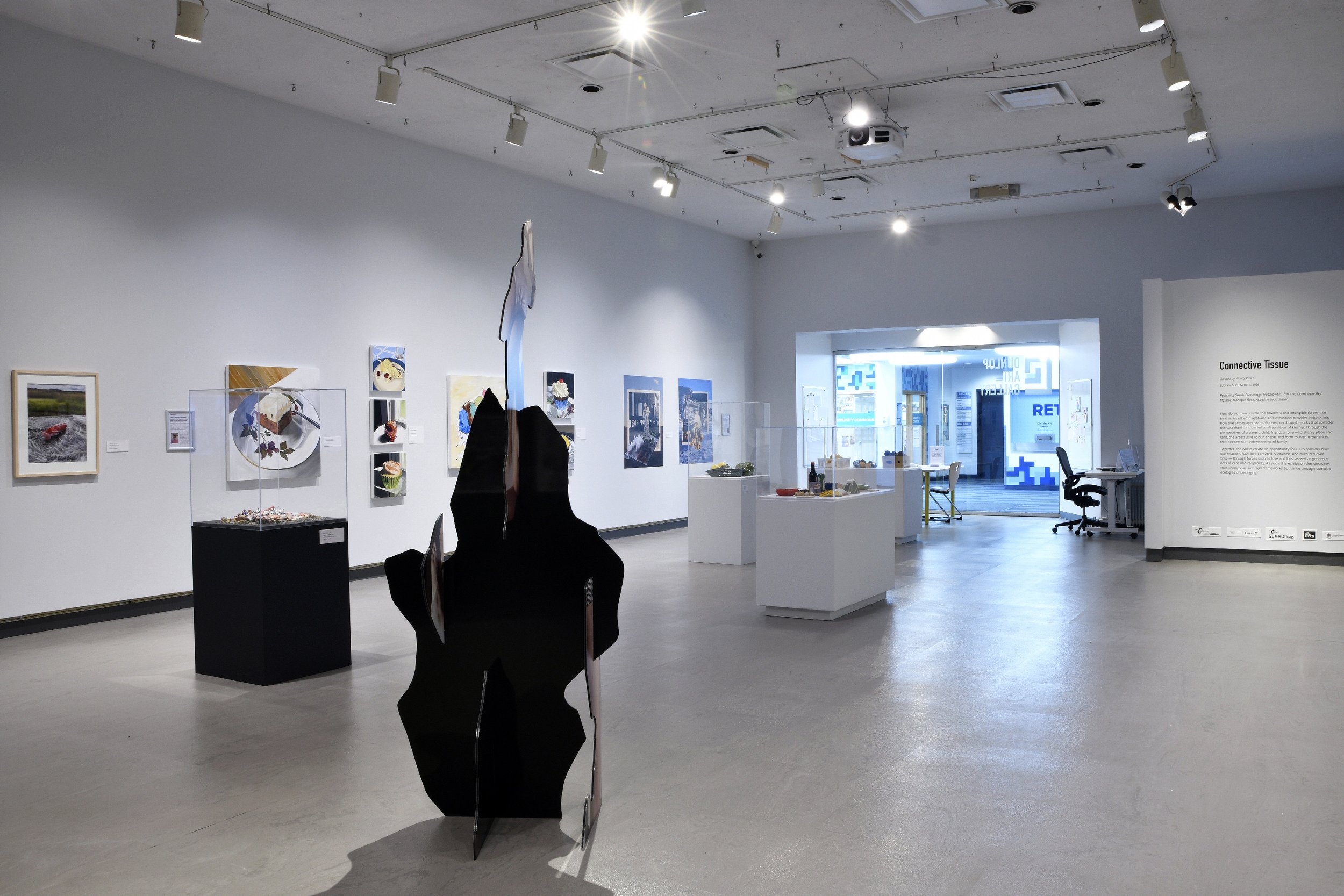
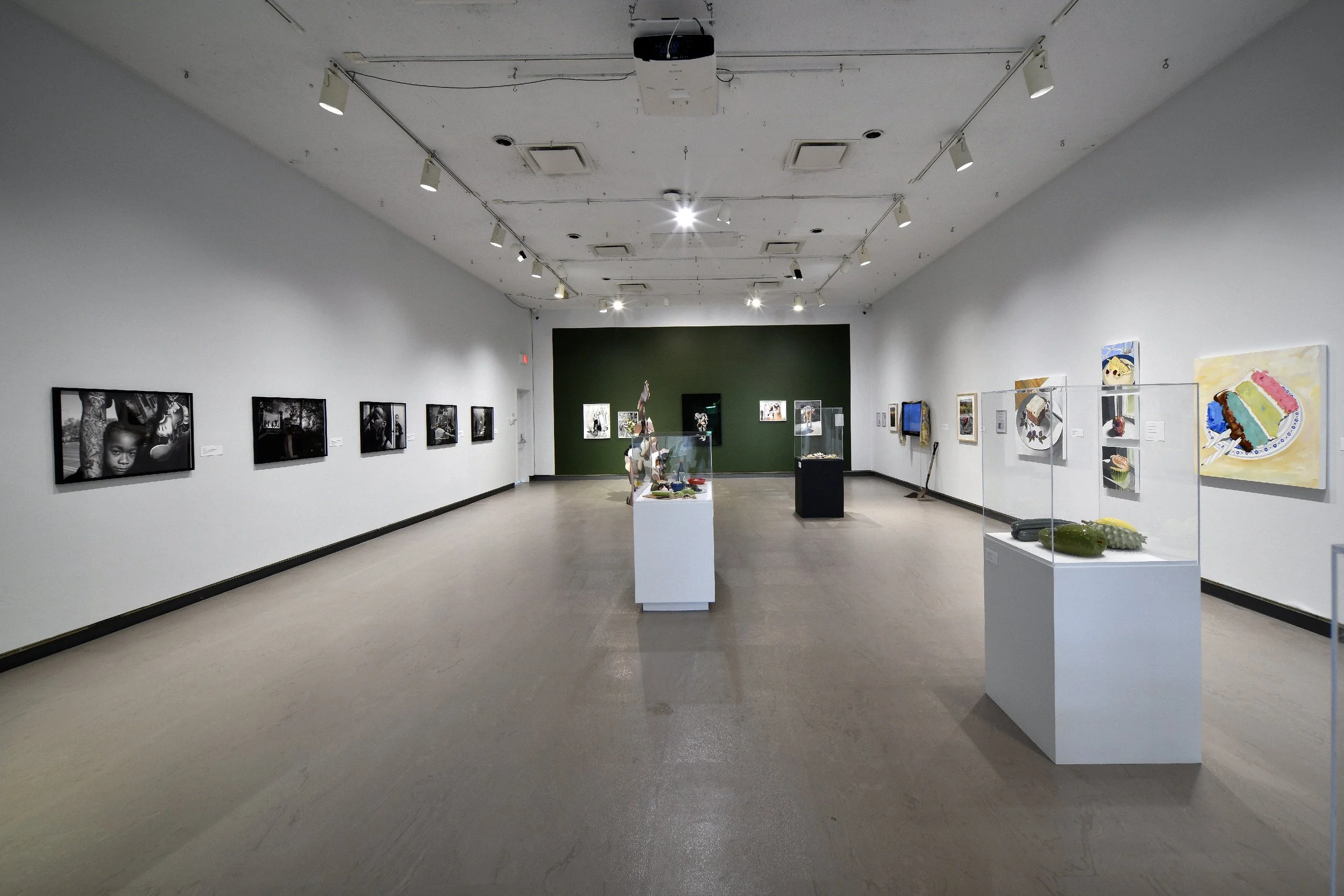
How do we make visible the powerful and intangible forces that bind us together in relation? This exhibition provides insights into how five artists approach this question through works that consider the vast depth and varied configurations of kinship. Through the perspectives of a parent, child, friend, or one who shares place and land, the artists give colour, shape and form to lived experiences that deepen our understanding of family.
Together, the works create an opportunity for us to consider how our relations have been created, sustained, and nurtured over time — through forces such as love and loss, as well as generous acts of care and reciprocity. As such, this exhibition demonstrates that kinships are not rigid frameworks but thrive through complex ecologies of belonging.
Essay ↑
Curated and text by Wendy Peart, Director/Curator
We all originate from others. We come into being through a remarkable natural process that reaches back to the moment our mothers, and those before them, came into being. From the time we enter the world, we carry a fundamental connection to our parents, and that tether is as unique and complex as each of us are as individual beings. This connection is further defined by our experience, culture, broader societal context, as well as the countless external forces of lived experience.
Some of us become parents ourselves, and are thrust into wild, wonderous, beguiling, and deeply challenging experiences for which there is no real preparation. We learn, cope, and love as fiercely as we possibly can.
For the artists in Connective Tissue, the lived, negotiated, questioned, and continuously shaped nature of familial connection is central. The works examine how kinship is traced across histories, culture, ritual, social structures, and intimate moments of care and reciprocity, as well as difficulty and change.
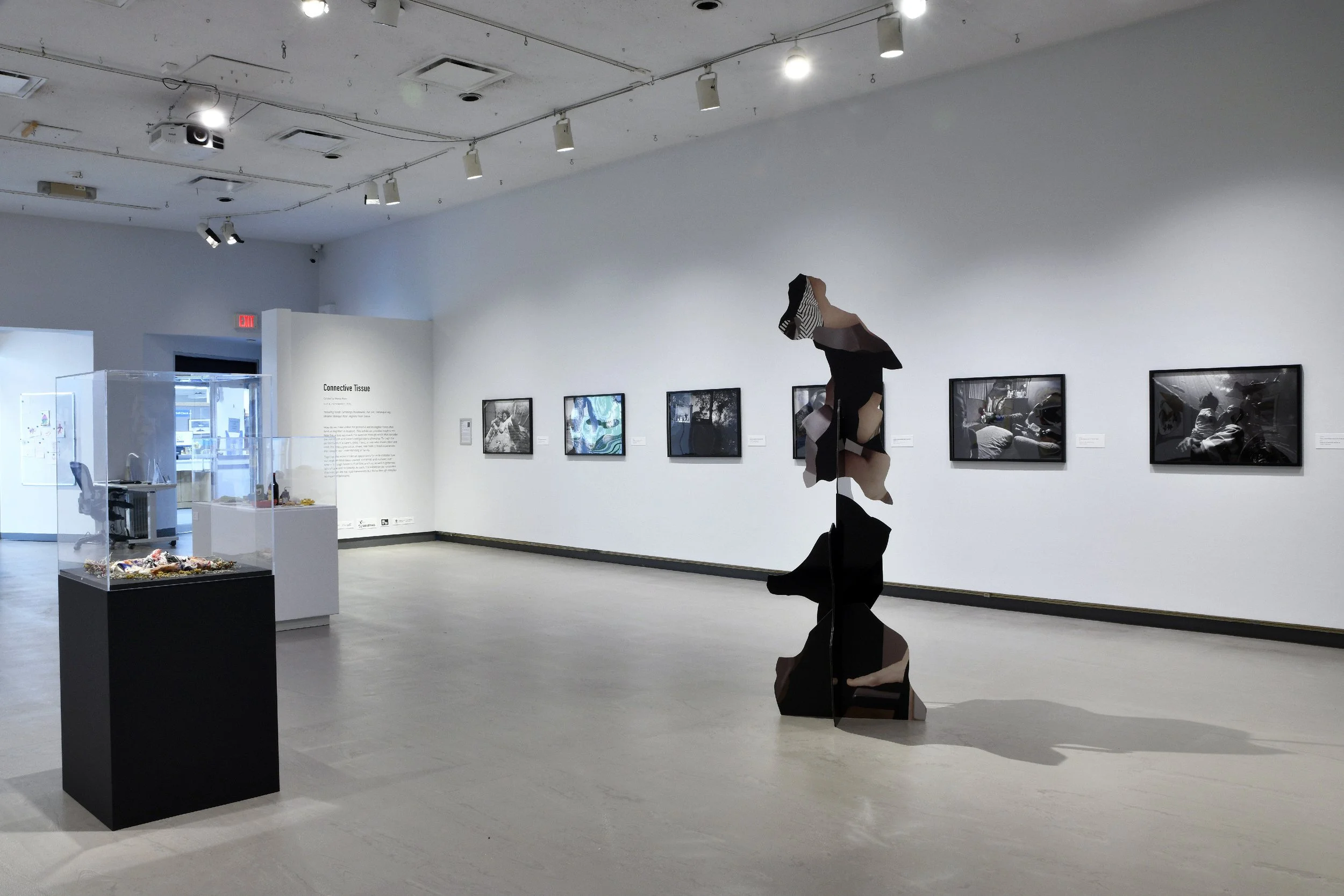
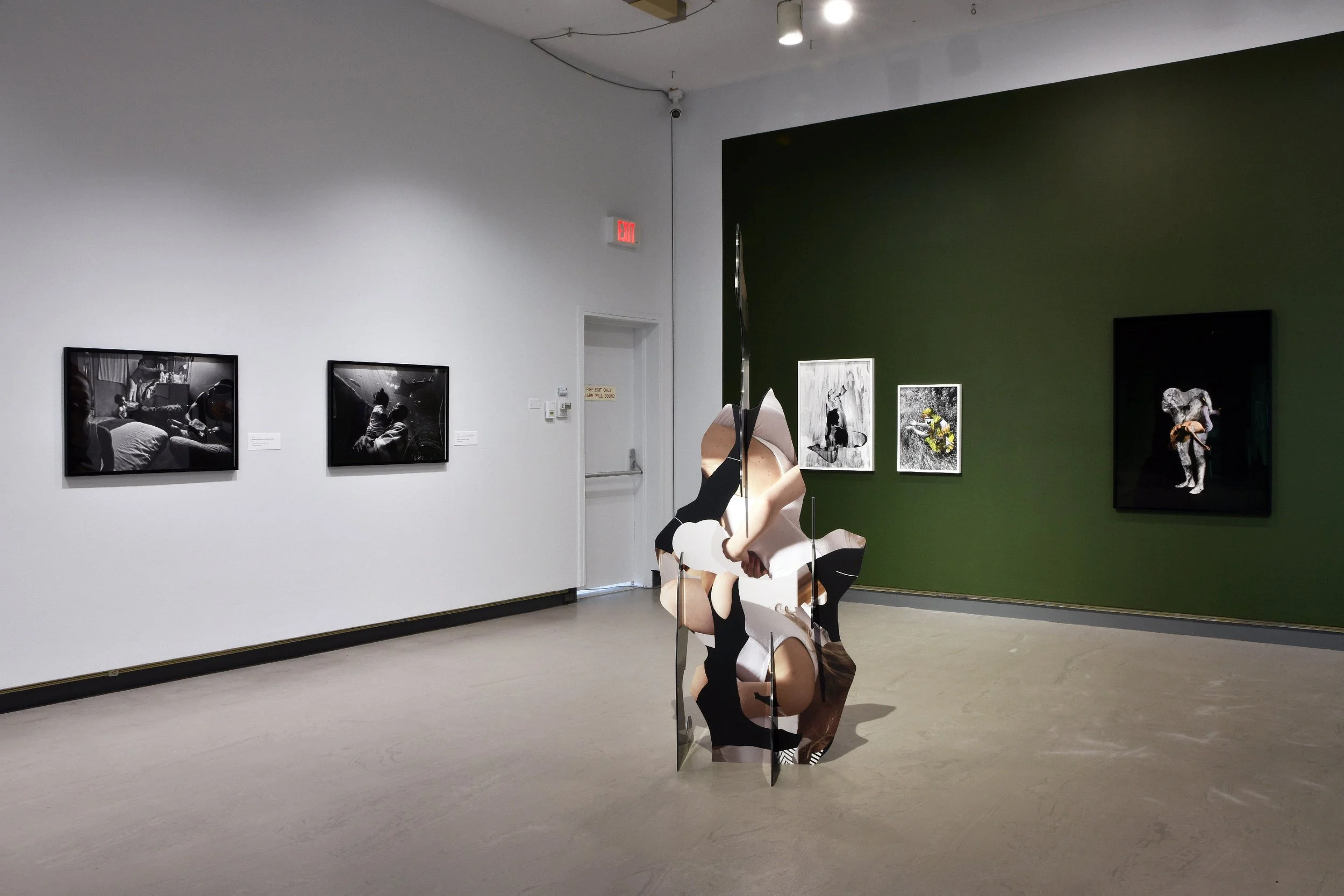
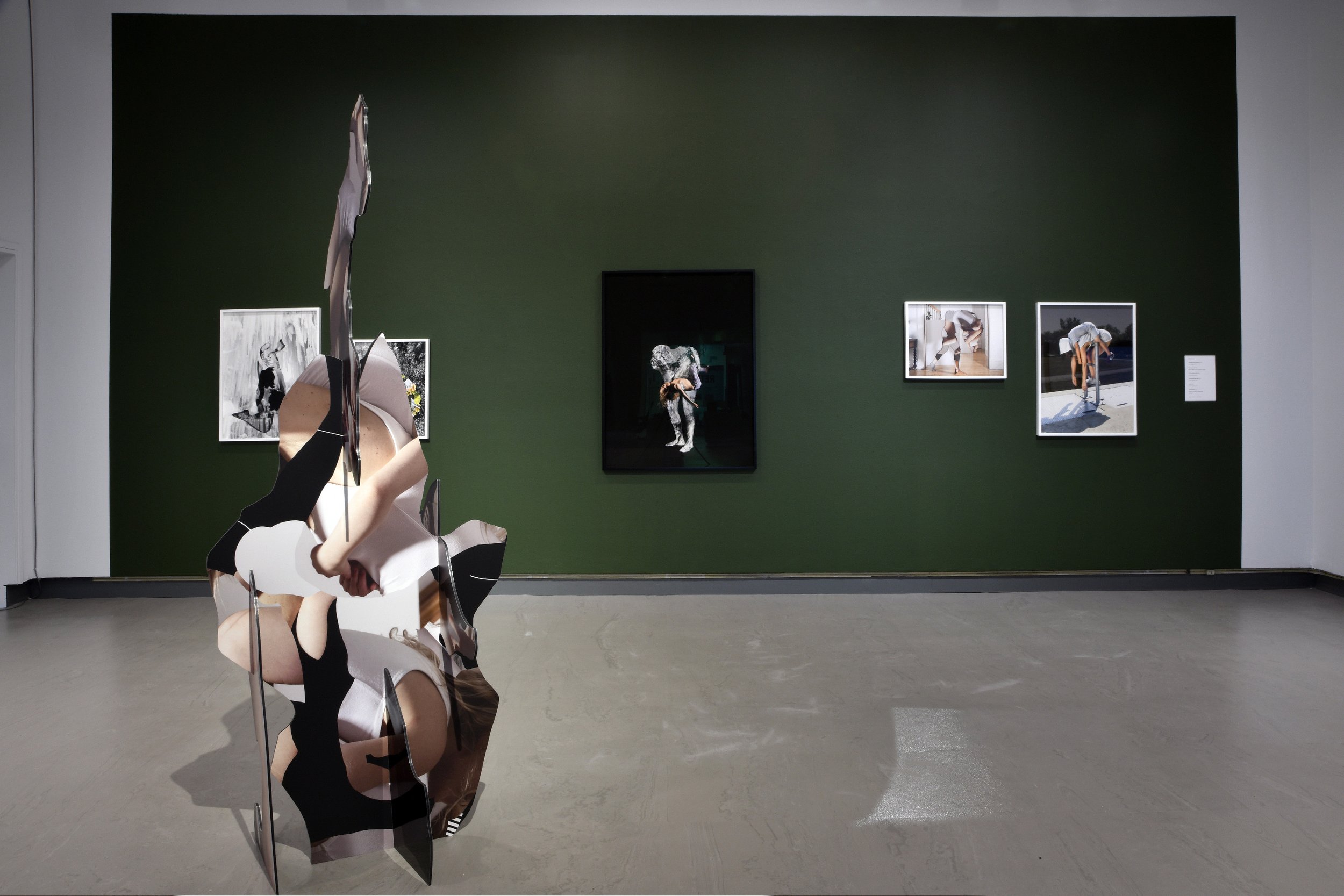
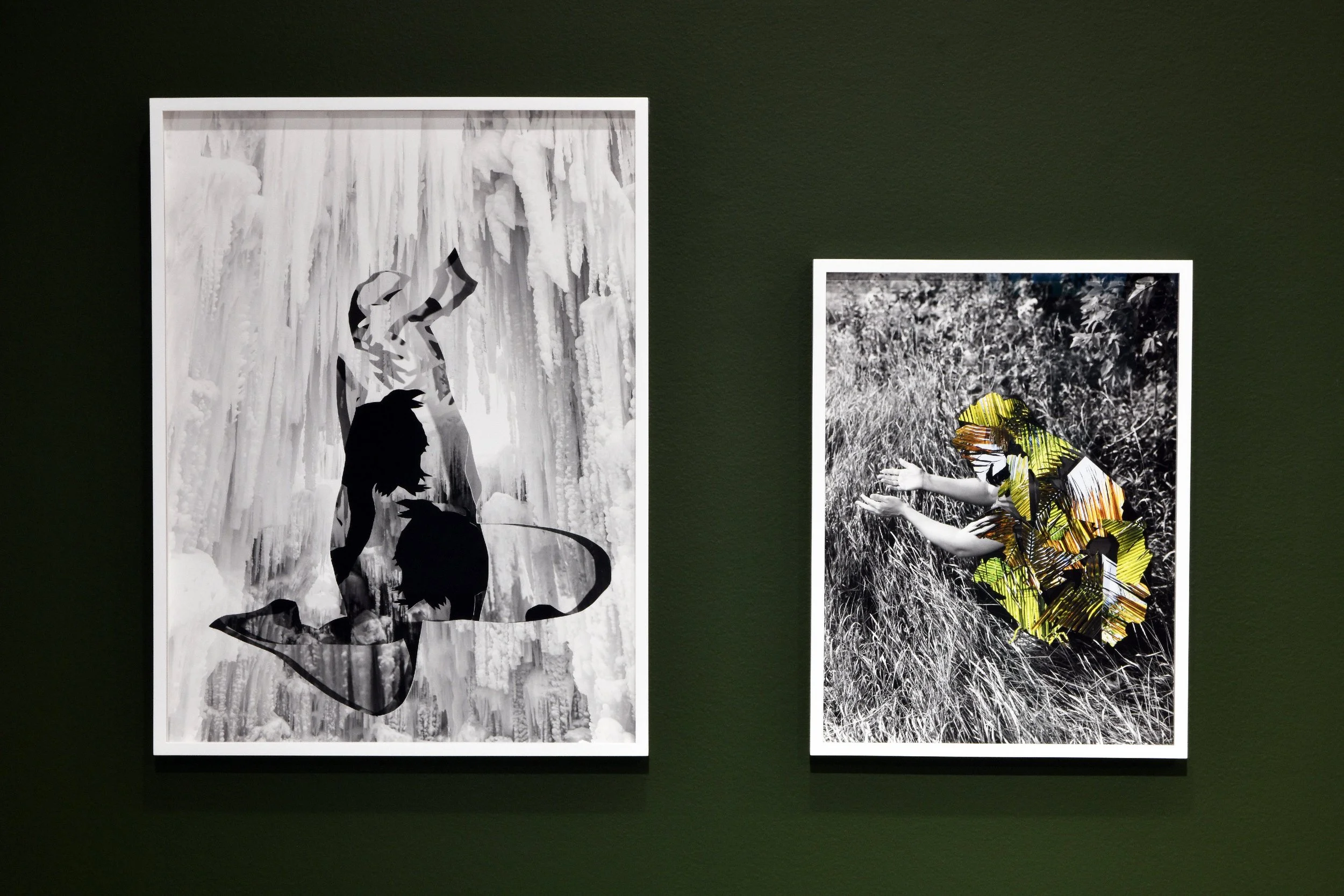
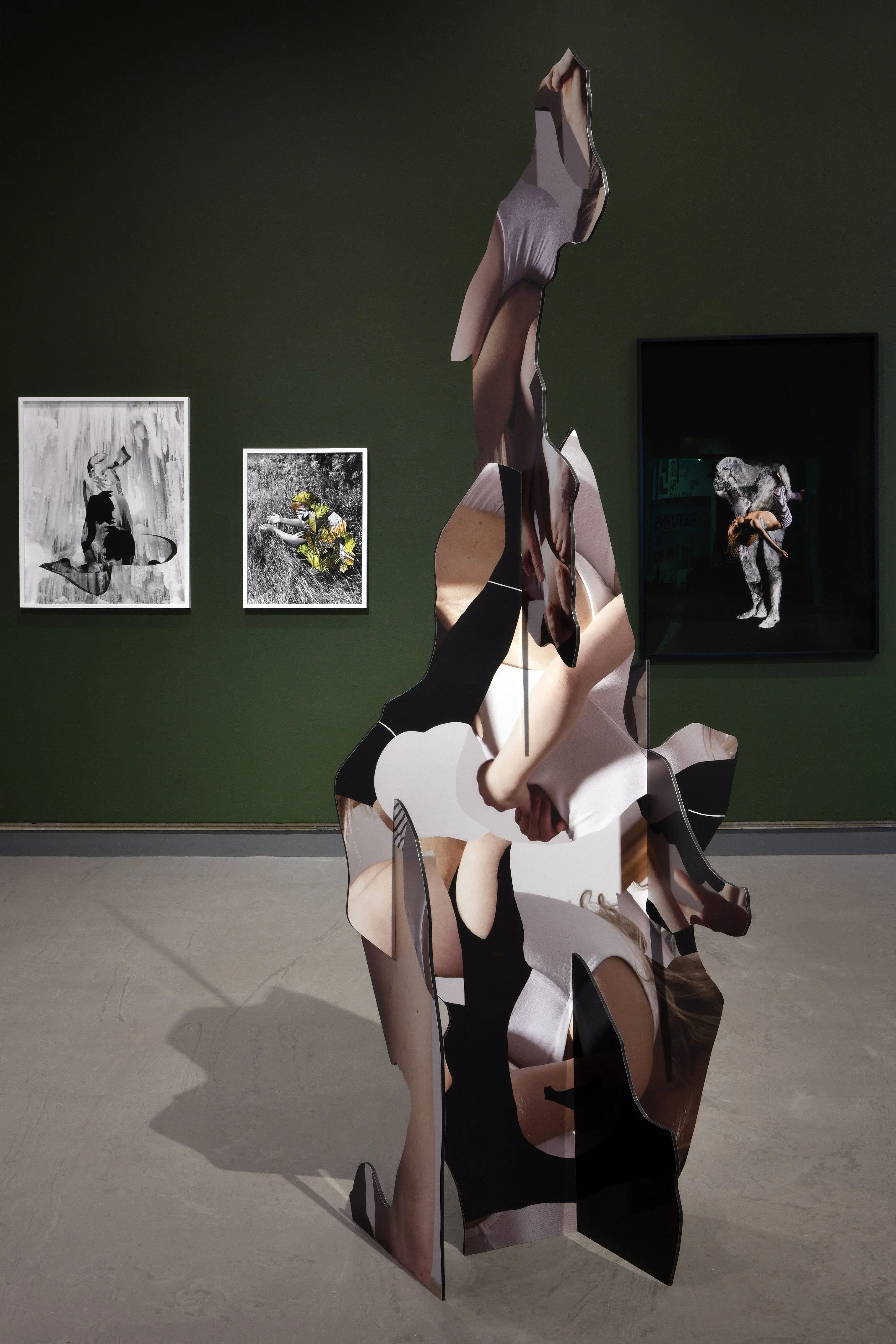
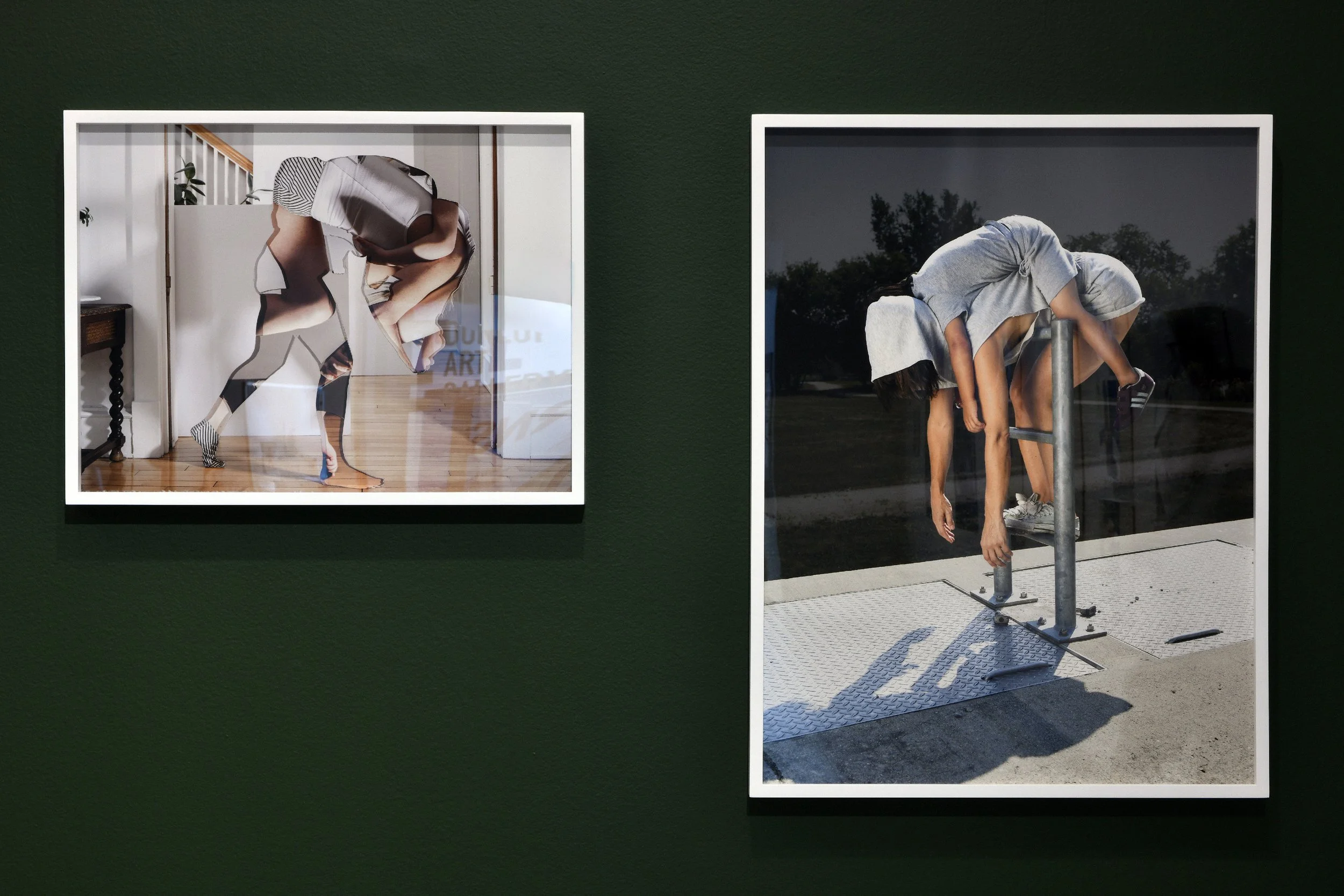
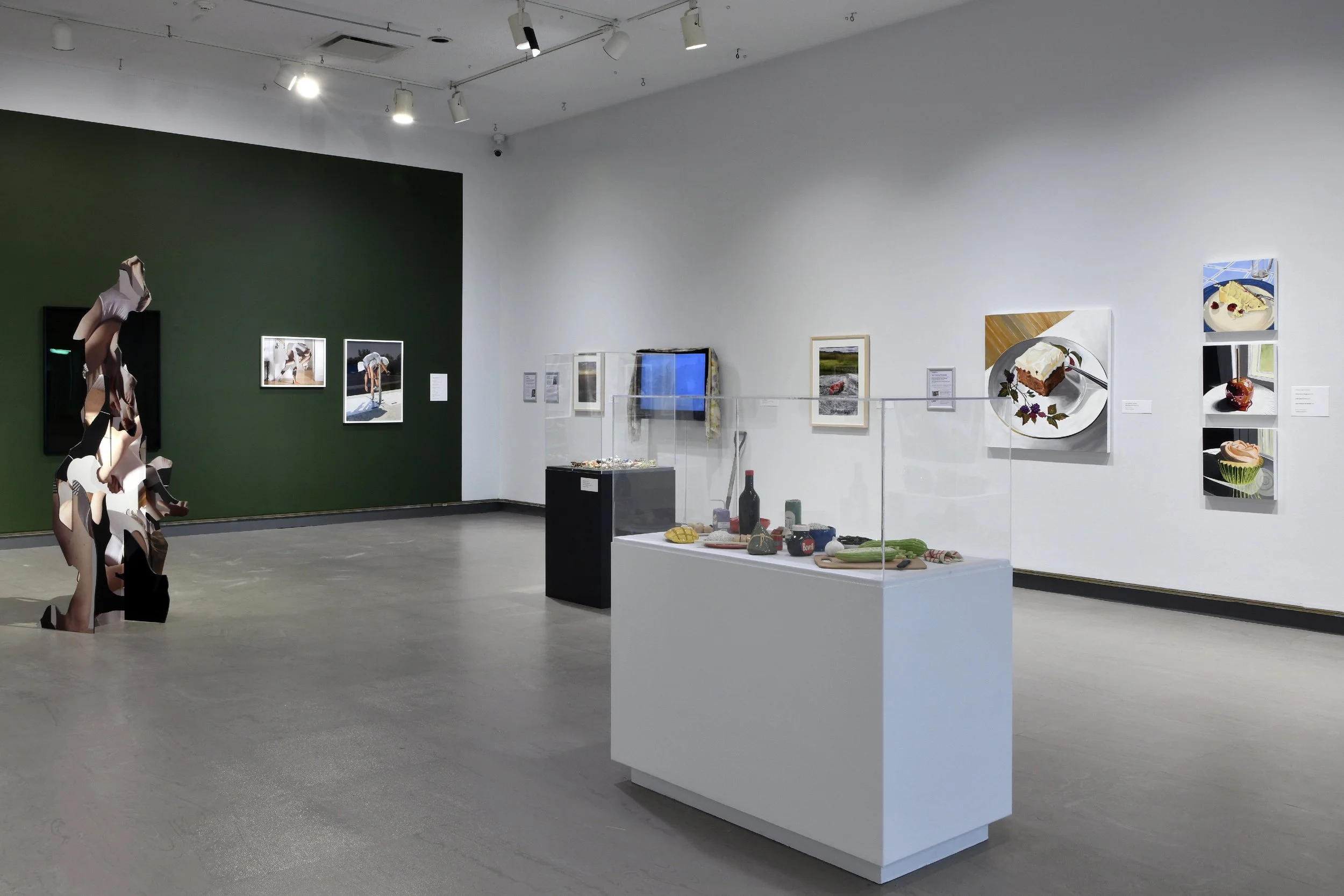
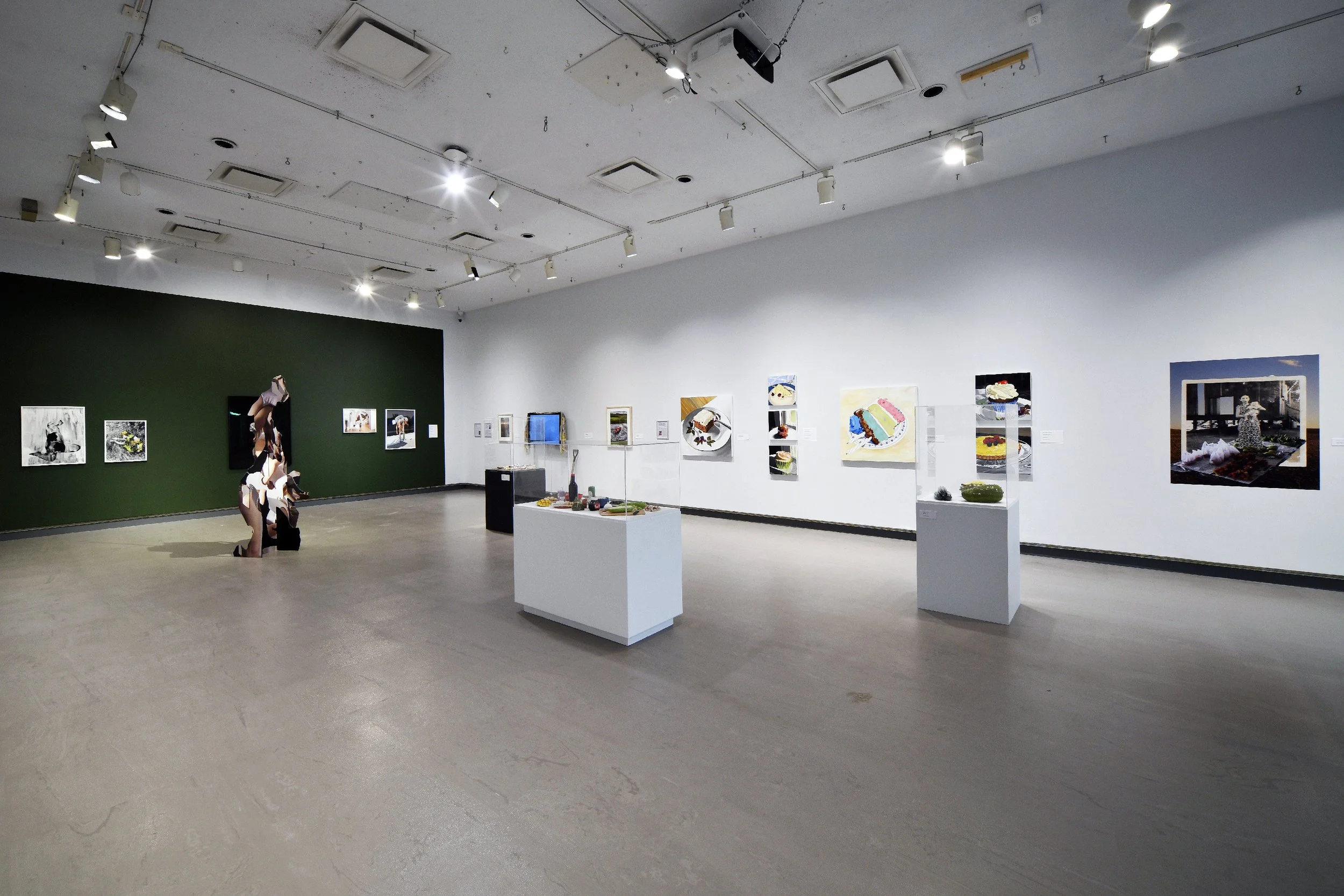
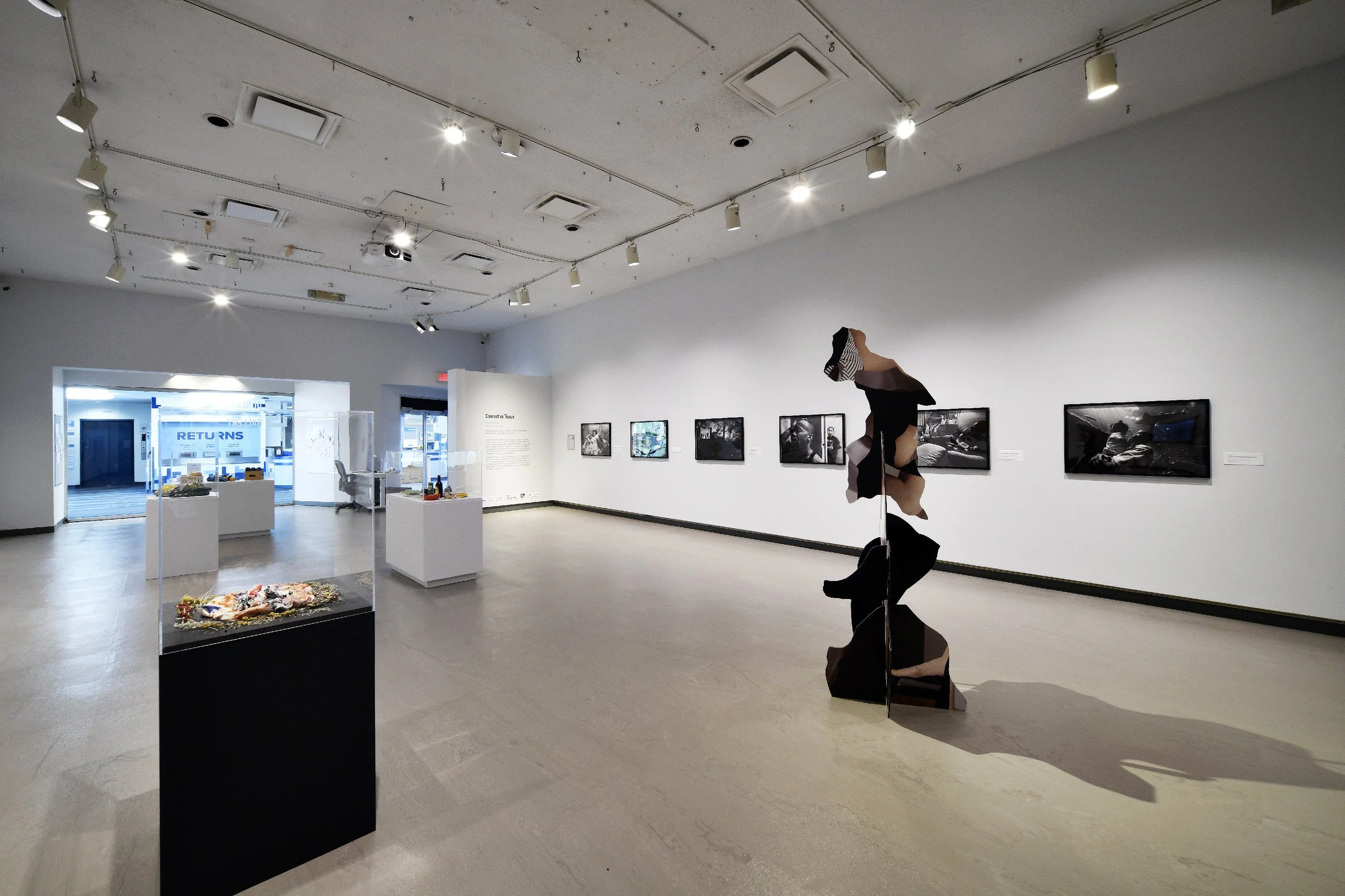
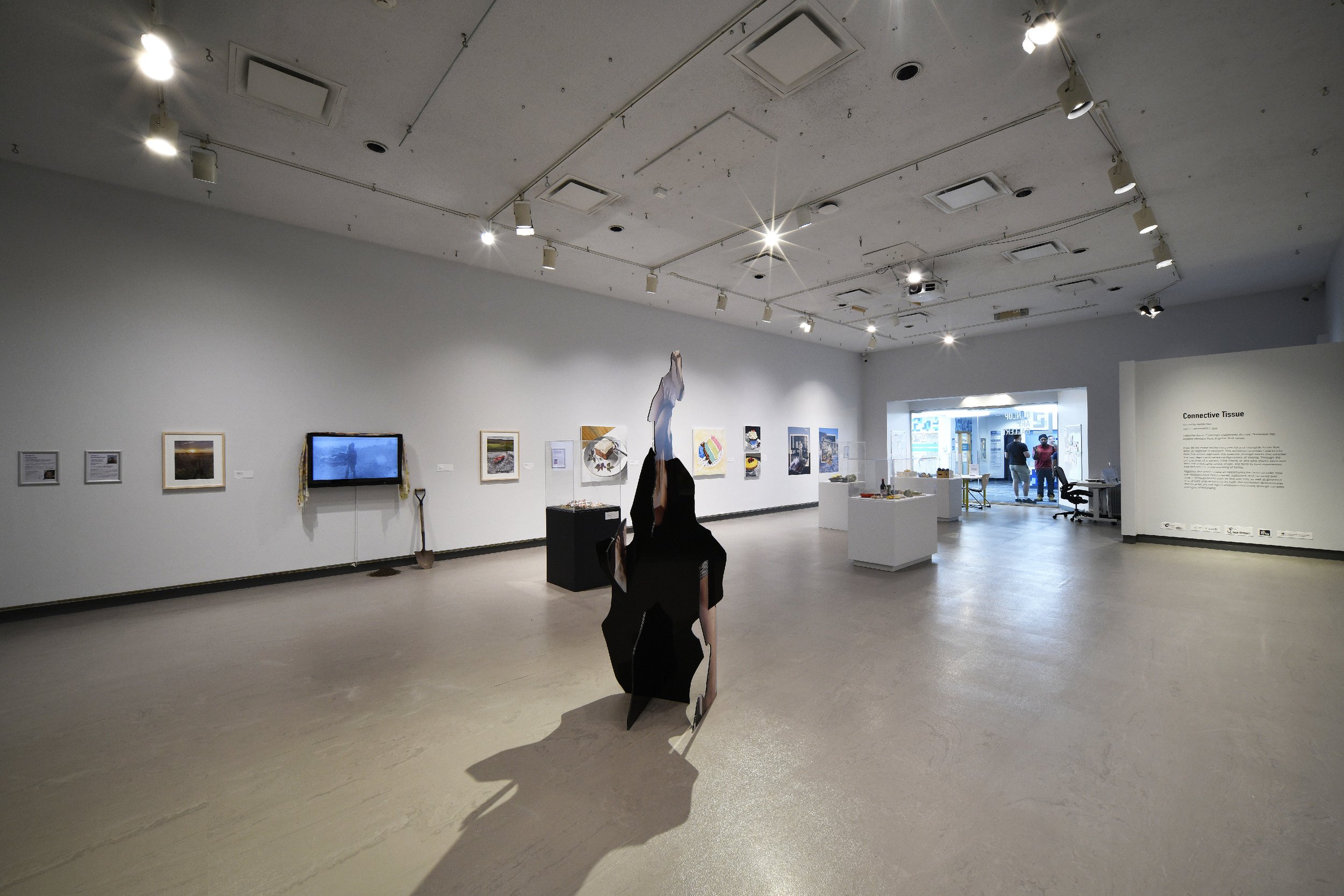
Continuing in her exploration of self-construction, Dominique Rey’s extensive body of work in the series MOTHERGROUND depicts her mothering experience as active, dynamic, tenuous, and oscillating. Rey centres bodies in performative posture, utilizing herself, her children, and close friends and family in both choreographed and improvised arrangements. Her body becomes a vessel of care, depicting respective acts of holding, carrying, lifting, cradling, and moving alongside her children. In this work, Rey likens her body to “the ground/soil/armature for the child to come into being”. (Rey, Artist Statement).
Included are works from three distinct chapters in this body of work. Chapter 1: In Case of Storms documents Rey with her children in physically entwined searching for balance and stability. Intermixed with natural elements such as water and ice, this work addresses the fluid, transitional, and constantly changing nature of caring for children. Chapter 2: Domestic Frieze collaged images of mother and child in domestic settings through fragmented shapes, distorting figure-ground relationships, and blended bodily forms blurring distinctions of being, place, and ground. Meanwhile, Chapter 3: Bildungsroman furthers the narrative arc as the child evolves into selfhood through the sustained physical and emotional support of the mother.
Similarly, Melanie Monique Rose has been working alongside her daughter for years while documenting their time spent gathering herbs, planting seeds, working with plants within nature, and sharing moments of foundational learning and reflection. Rose’s work is rooted in her Ukrainian and Métis culture, with an emphasis on flowers, plants, and traditional plant wisdom. These influences inform her extensive practice with floral design, that takes the form of felted wool or plant-dyed fabric that is crafted into wearable pieces.
Presented here are works that document her connections to people and the land as lived acts. Seen are moments of knowledge sharing, reciprocation of care, and harmony with the land. The film Nutr Piyii – Motherland (nutr piyii is the Michif word for “motherland” or “our land”) is a work that stitches together three eco-developed films[1] depicting Rose’s daughter washing, drying, planting, and watering her mother’s feet. A sacred, protective cloth, called a “rushnyk”, wraps the screen along with shovel and dirt to complete the generative circle of care between child, mother, and earth. Ditch Witch and Held: Transferring Knowledge capture additional moments of relational flow and resonance that draw Rose, and her family, to her ancestors.
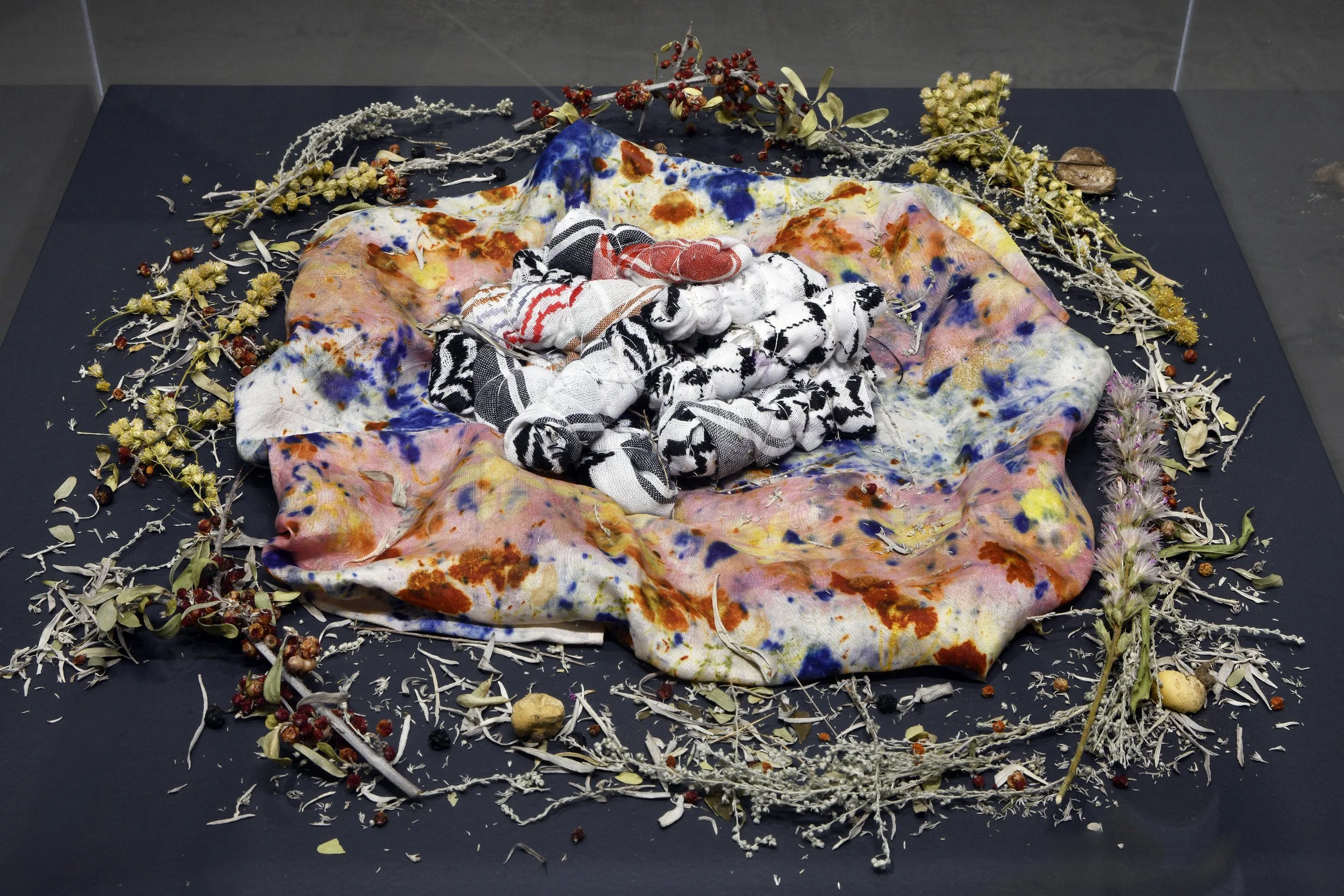
In extension, Rose and her daughter create Tiny Bundles of Love to honour those lost in the war in Gaza. As a ceremonial process, together they bundle sage using keffiyeh cloth — traditionally worn in Palestinian headdresses — centering love, reverence, remembrance, and solidarity. As an extension of her artistic practice, Rose actively supports her relations in Gaza through allyship, advocacy, and activism, engaging in awareness-raising initiatives as an expression of solidarity grounded in resistance and collective action.
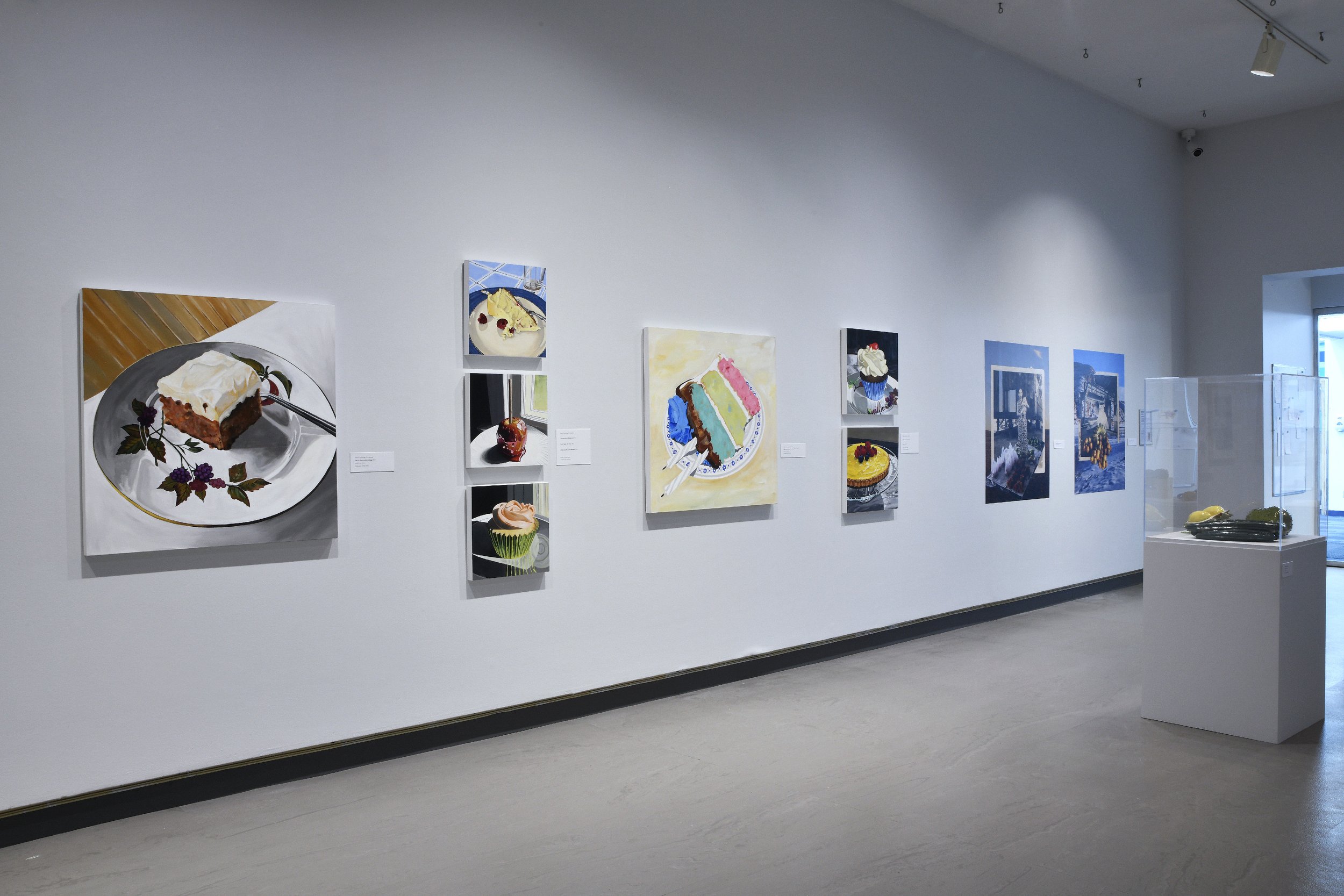
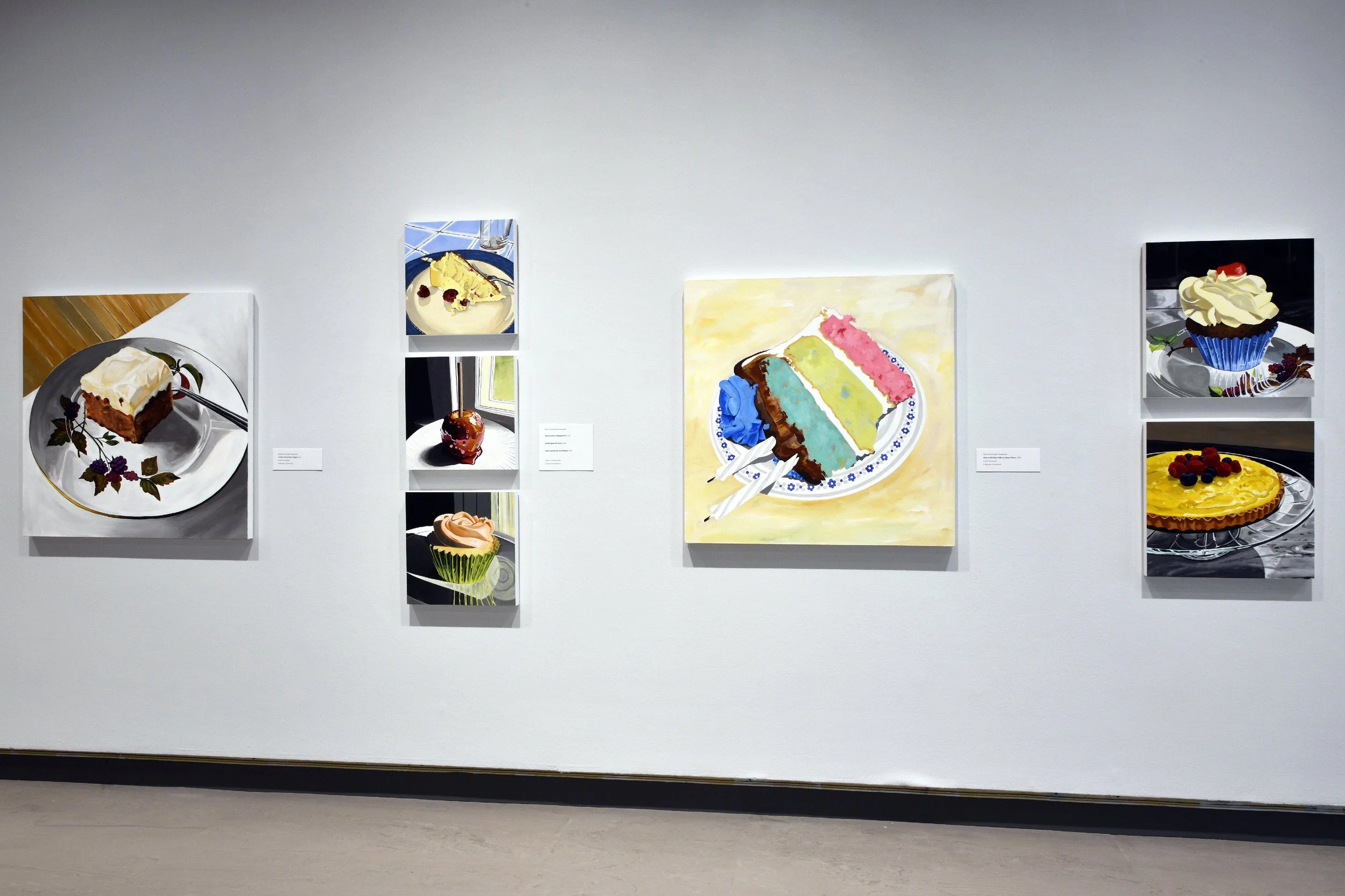
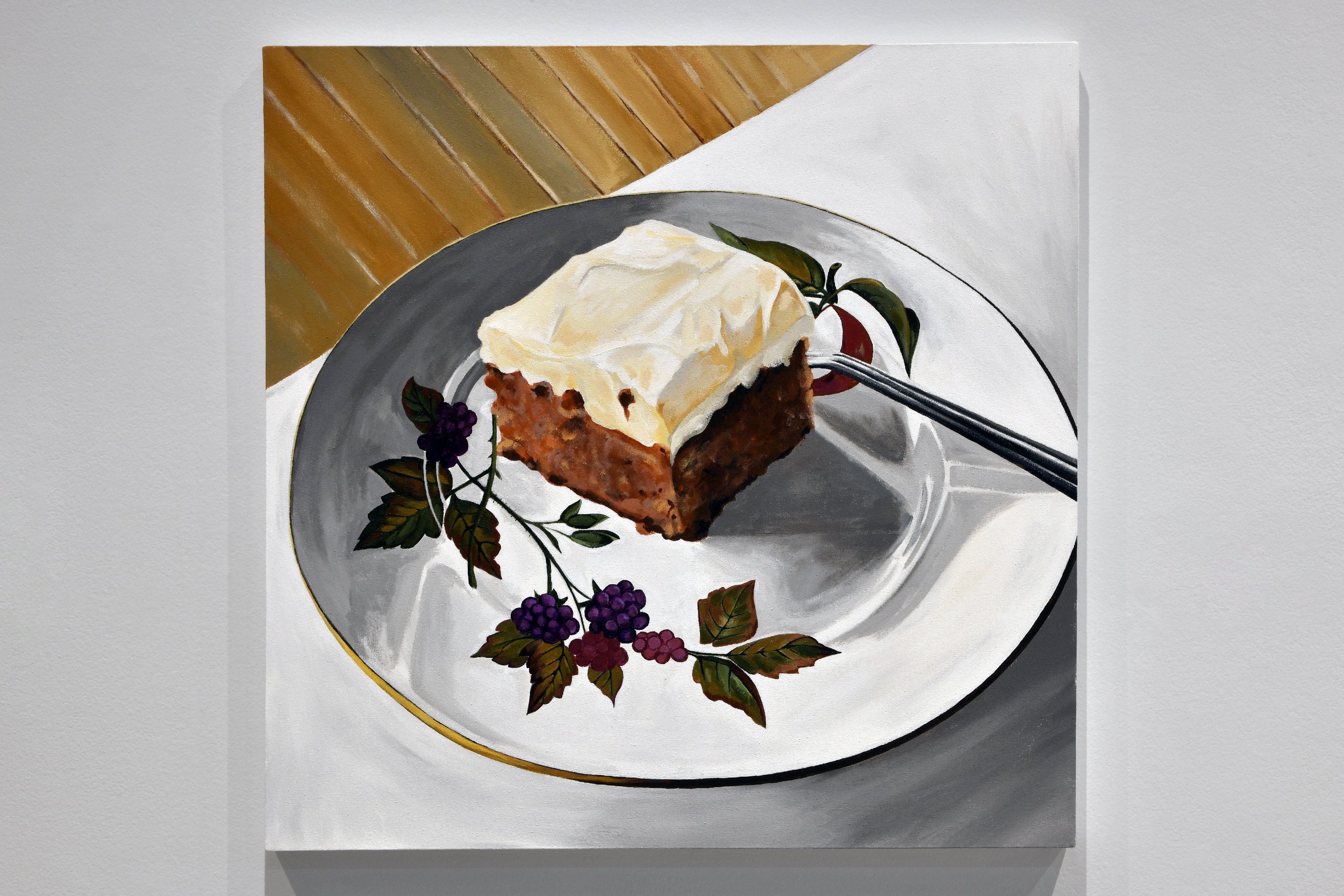
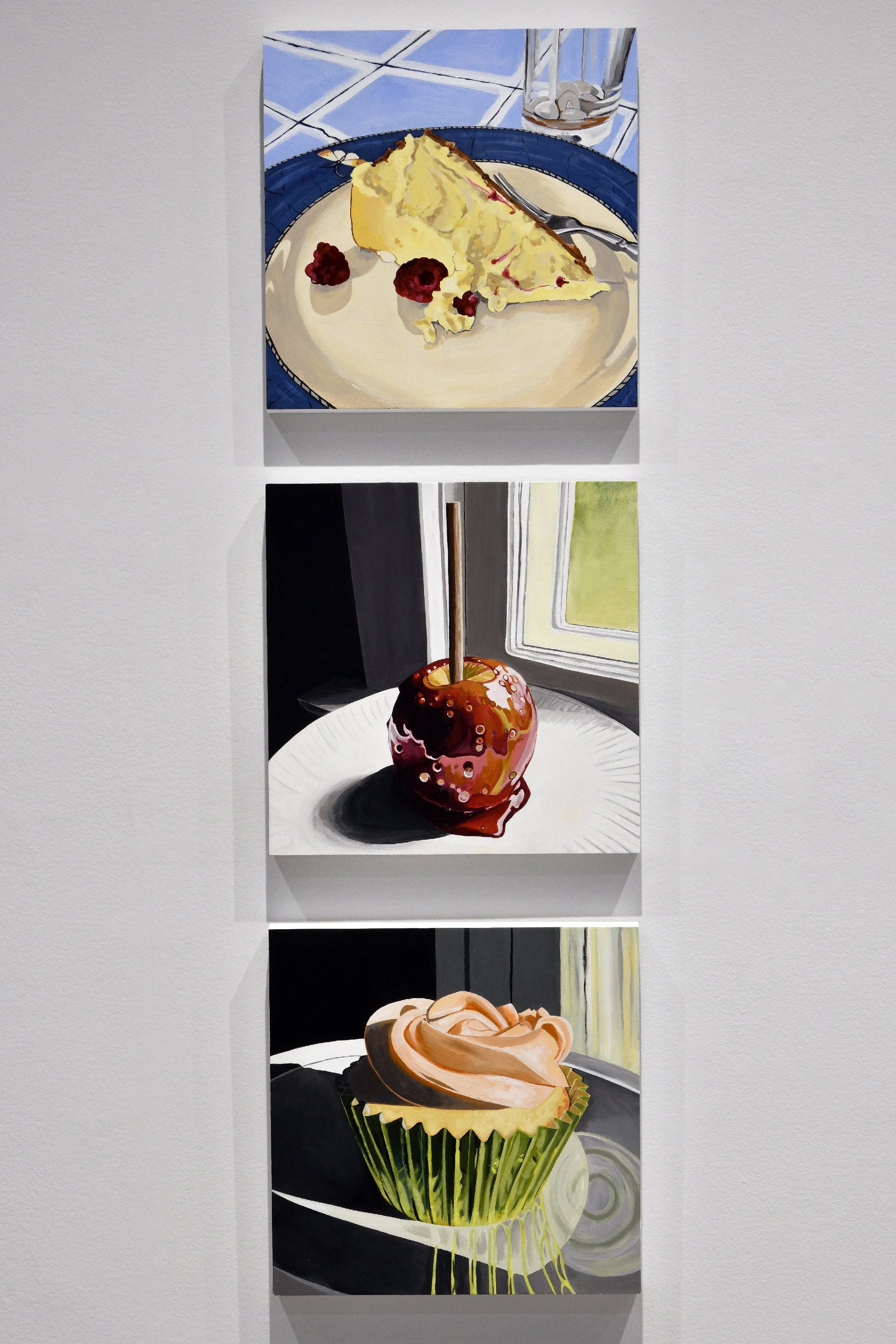
Artist, teacher, mother, and community leader, Sarah Cummings Truszkowski imbues her work with forms of care passed to her through her maternal familial lines. In Truszkowski’s case, time spent in the kitchen with her mother and grandmother — mixing and folding in flour, butter, salt, sugar and other key ingredients as the recipe for their belonging. With those years of learning guided by the old recipe cards handed down to her, Truszkowski now bakes for her family, friends, and extended community. And she paints.
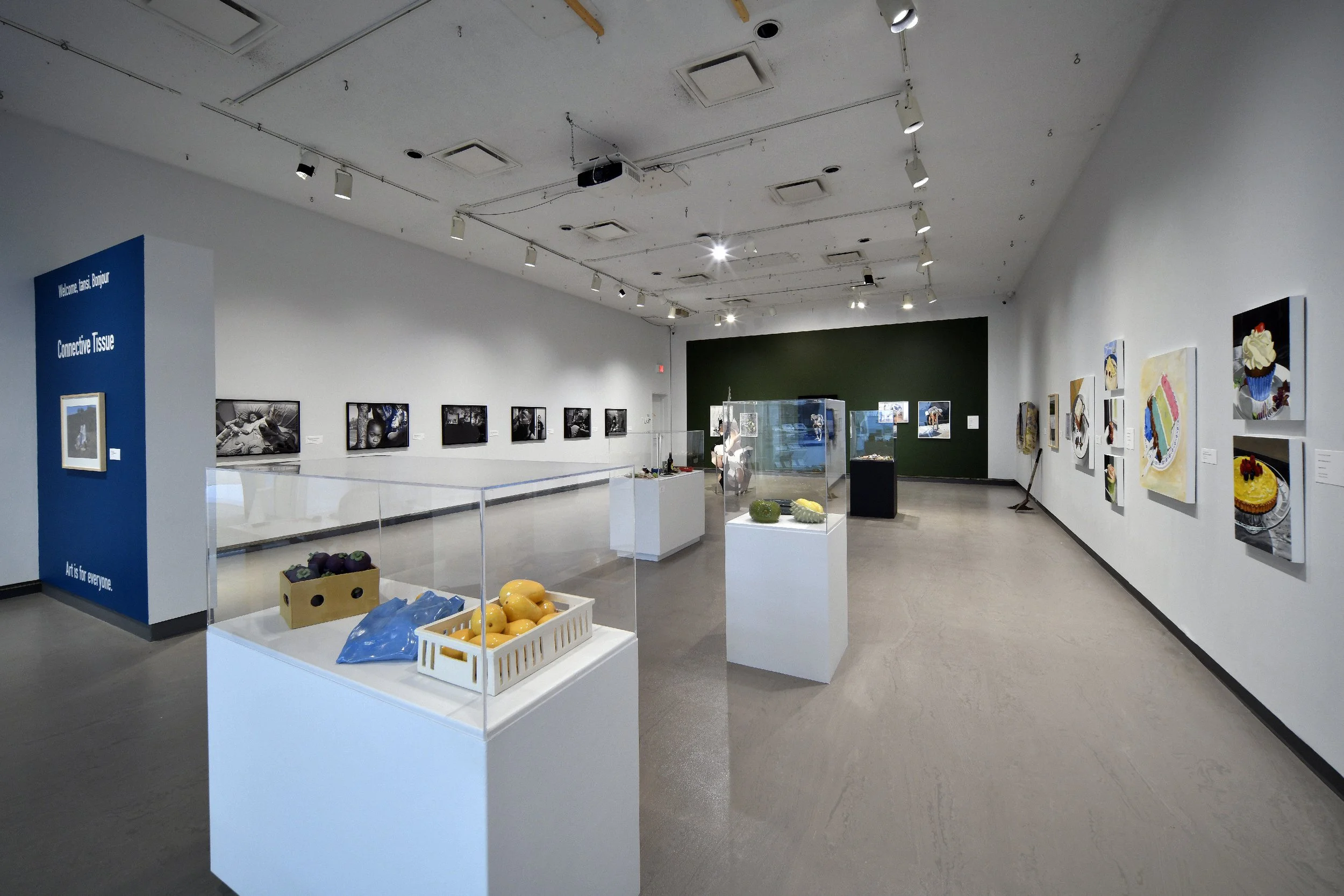
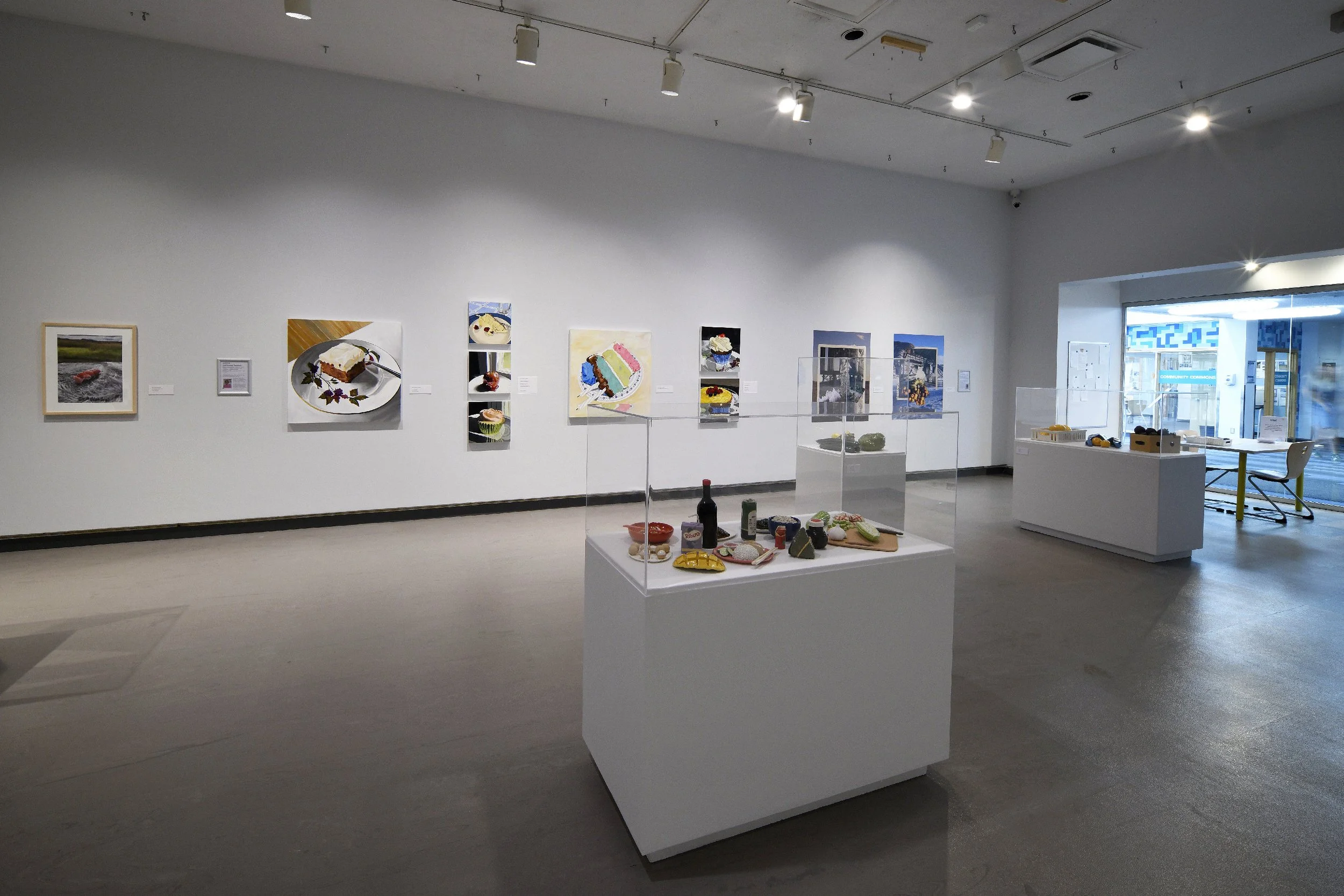
Presented in the exhibition is just a sampling of the many delicacies she has personally prepared over the years, often for specific family members and events as suggested by titles like Grace's Birthday Cake on Royal Chinet. Painted in a baker’s lush palette and with attention to heightened textural detail, these paintings capture the perfect moment of presentation along with the ensuing sensory delight. Above all, this work foregrounds Truszkowski’s distinctive love language that links her to her maternal parentage to her present family and friends.
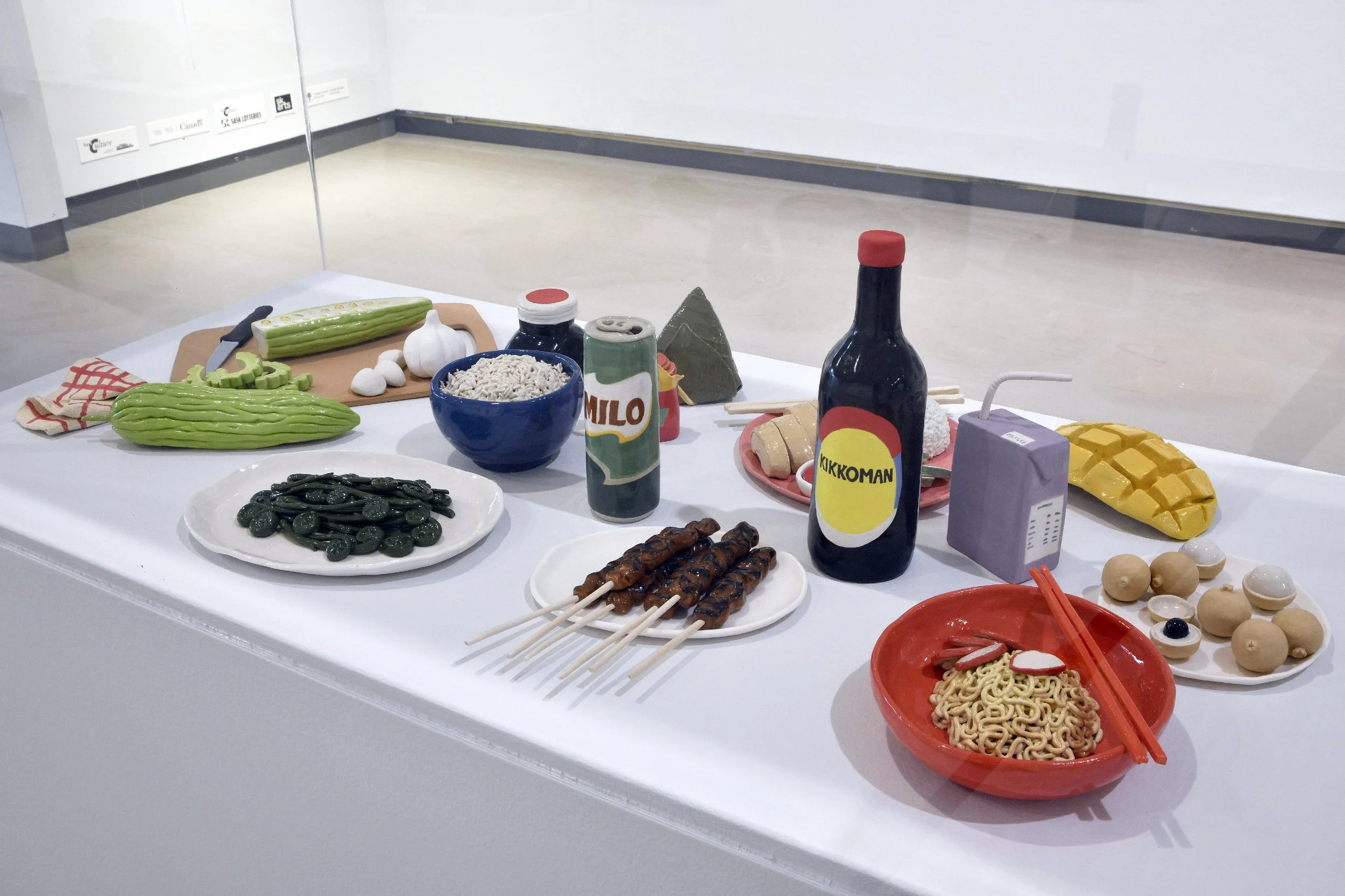
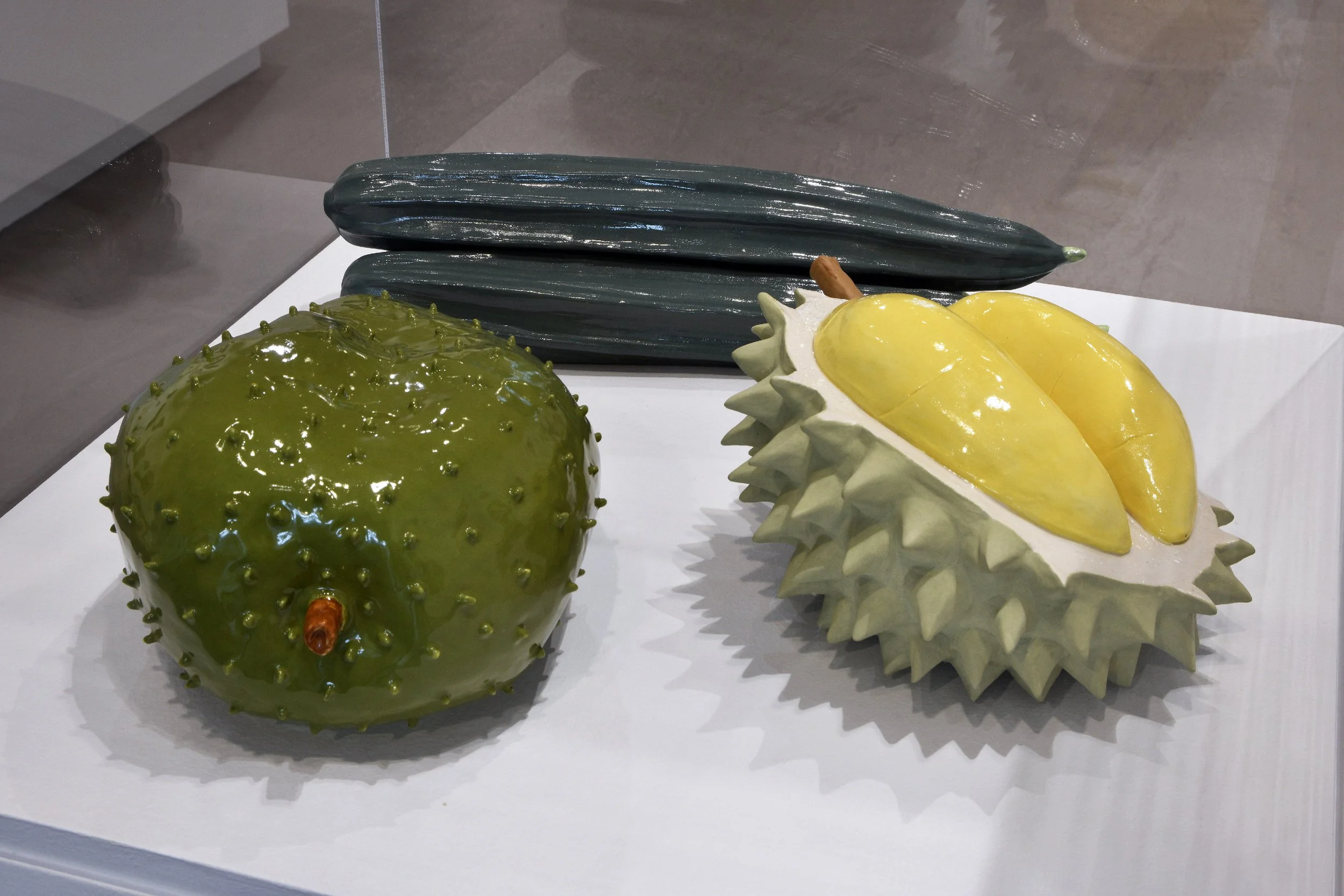
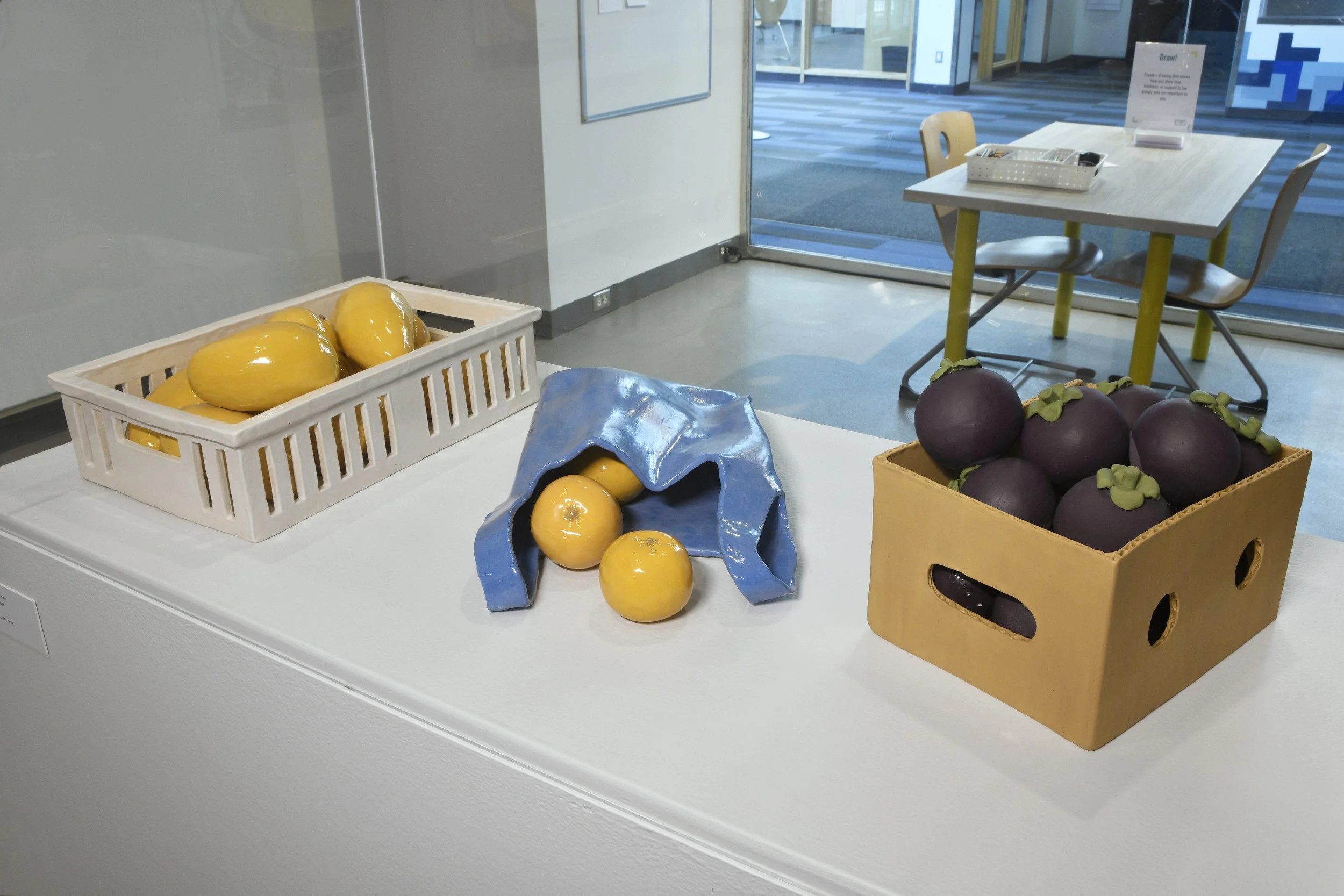
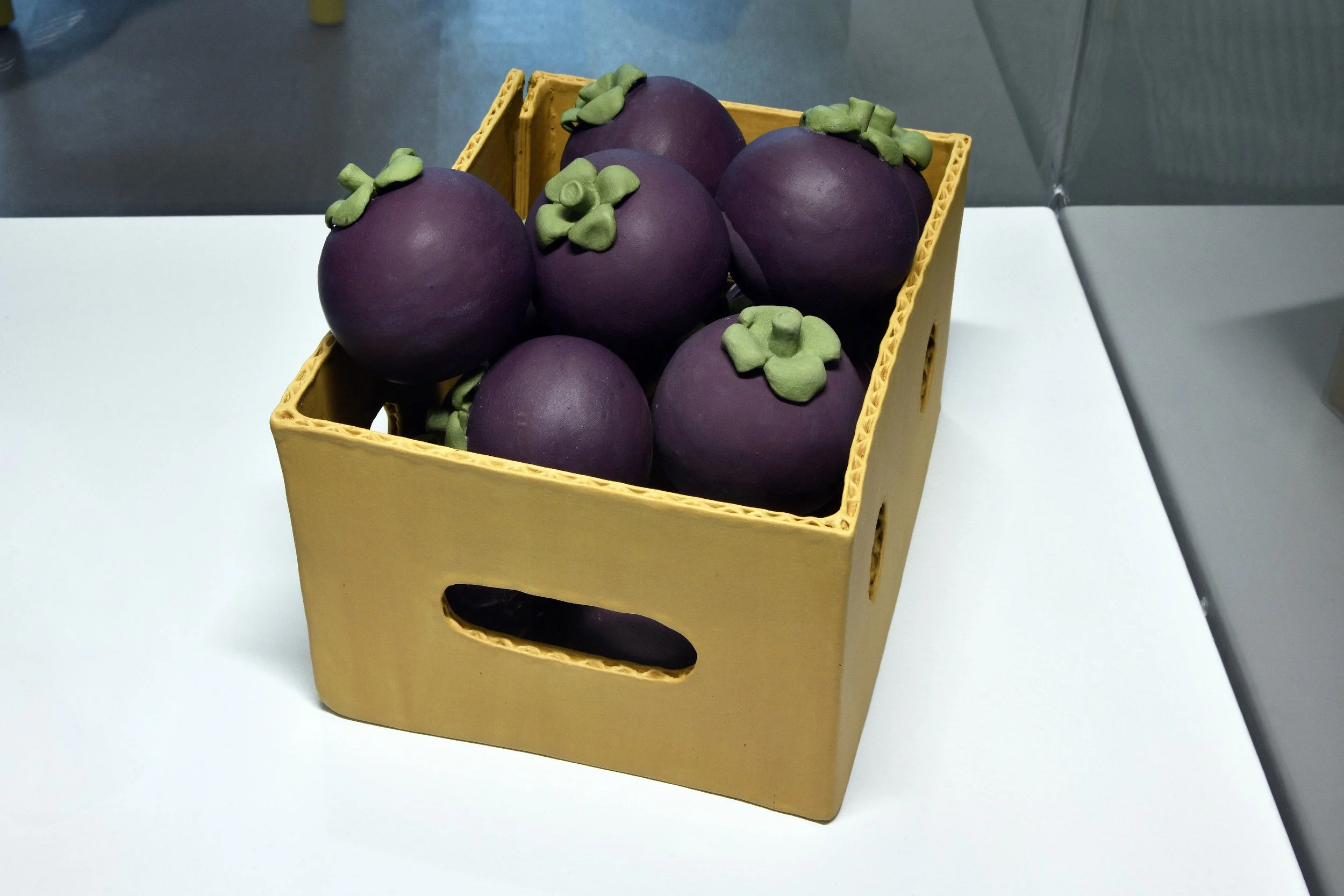
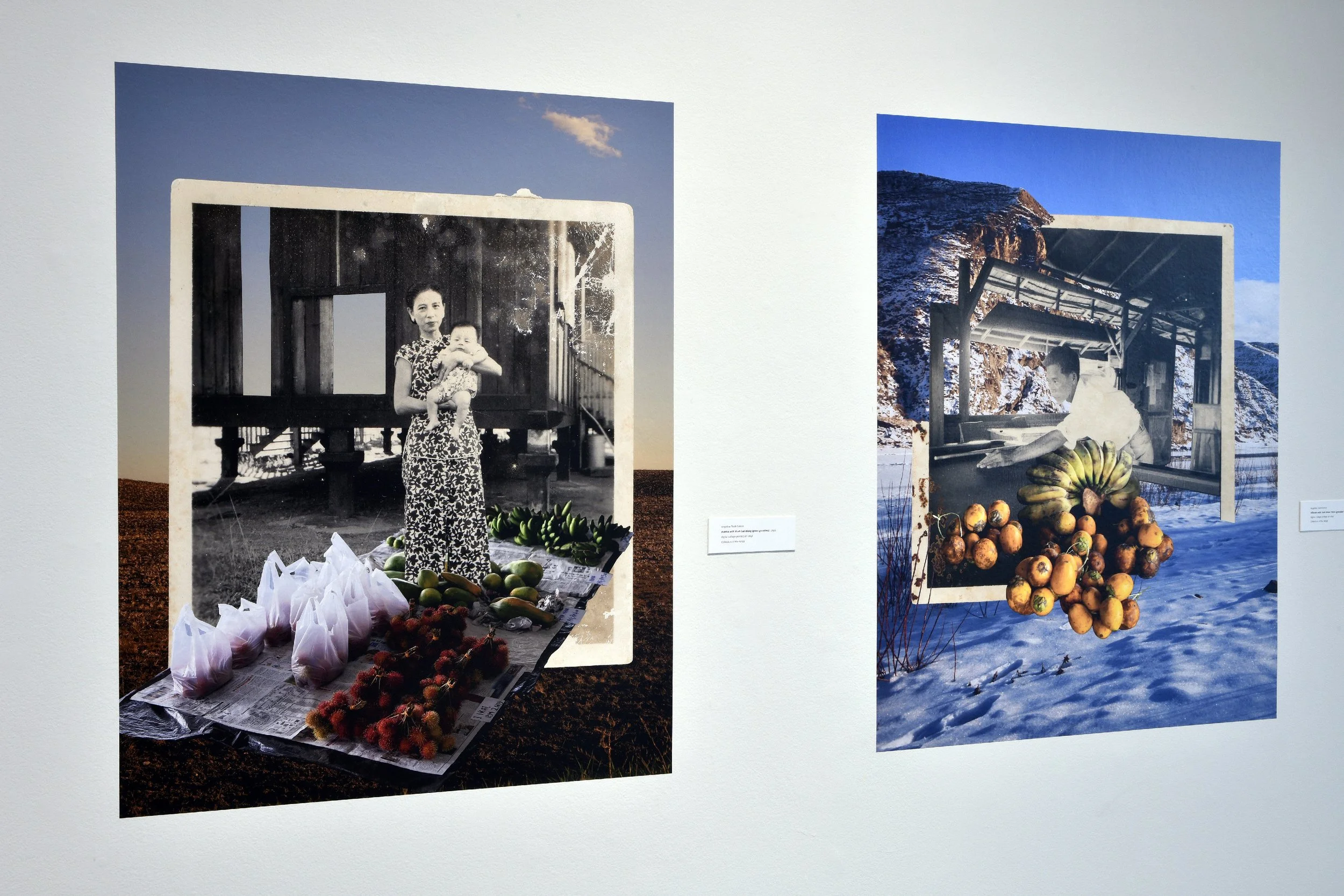
Angeline Teoh Simon’s photographic and ceramic work is a direct link to her ancestral belonging. As a second-generation Canadian raised by Malaysian-Chinese and German parents, Simon explores her inherited diasporic experience seeking to reconcile her cultural heritage with her own sense of self. In the works market with Kueh Sok Hiang (great-grandma) and billiards with Teoh Khoon Yeam (grandpa), Simon splices images from old family photos with new images to reflect her multifaceted identity, shaped by familial and cultural histories as well as her present context.
Food is also central to Simon’s family bonds. Crafted in ceramics with careful attention to visceral details, foods like soursops, mangosteens, midin, longan, Hainanese chicken, bak chang, as well as commercial drinks and sauces are crafted in various stages of preparation, along with their market containers. Through the rituals of food – shopping, preparation, presentation, and consumption – meaningful family moments are created and carried across generations as touchstones of identity and self-knowledge.
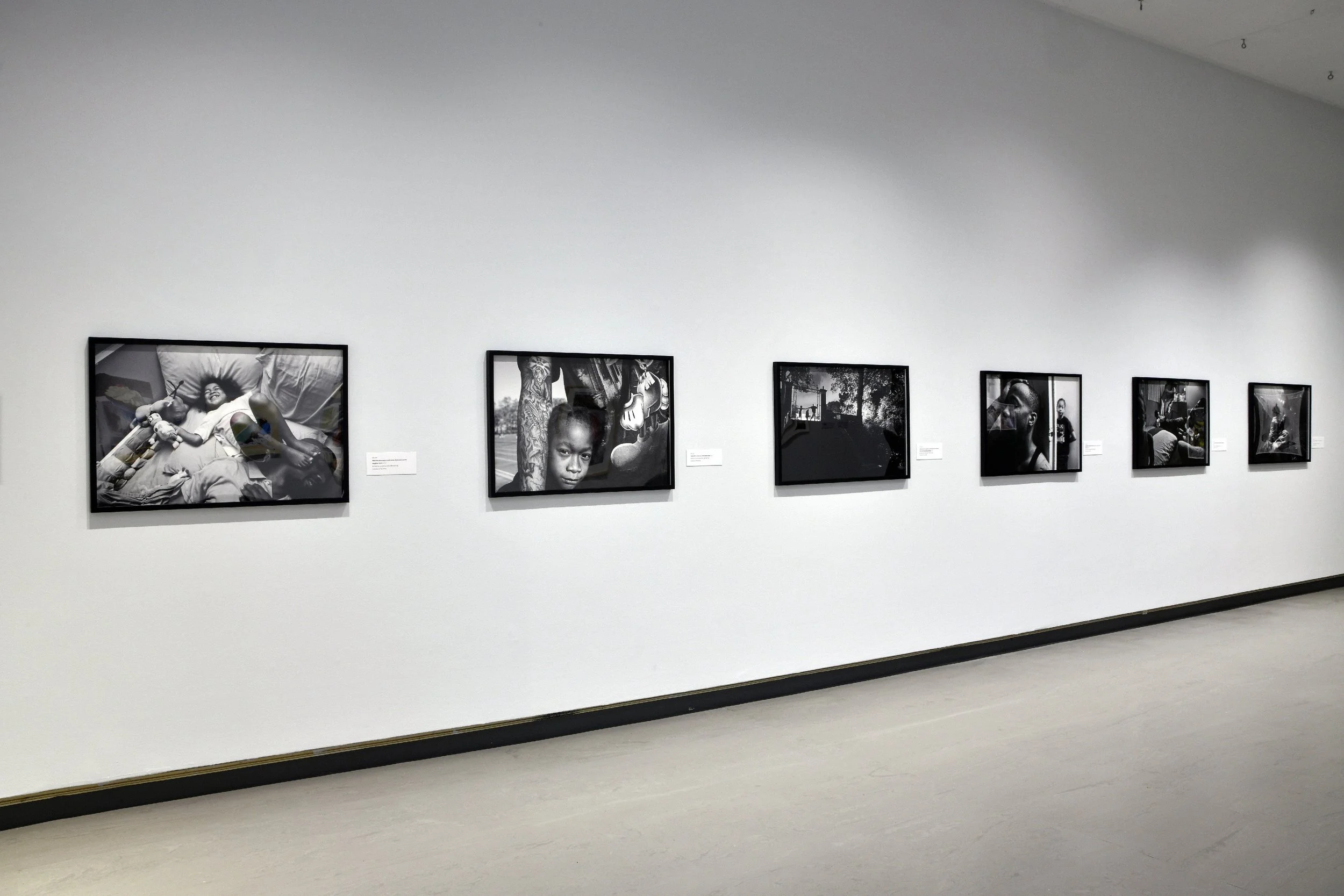
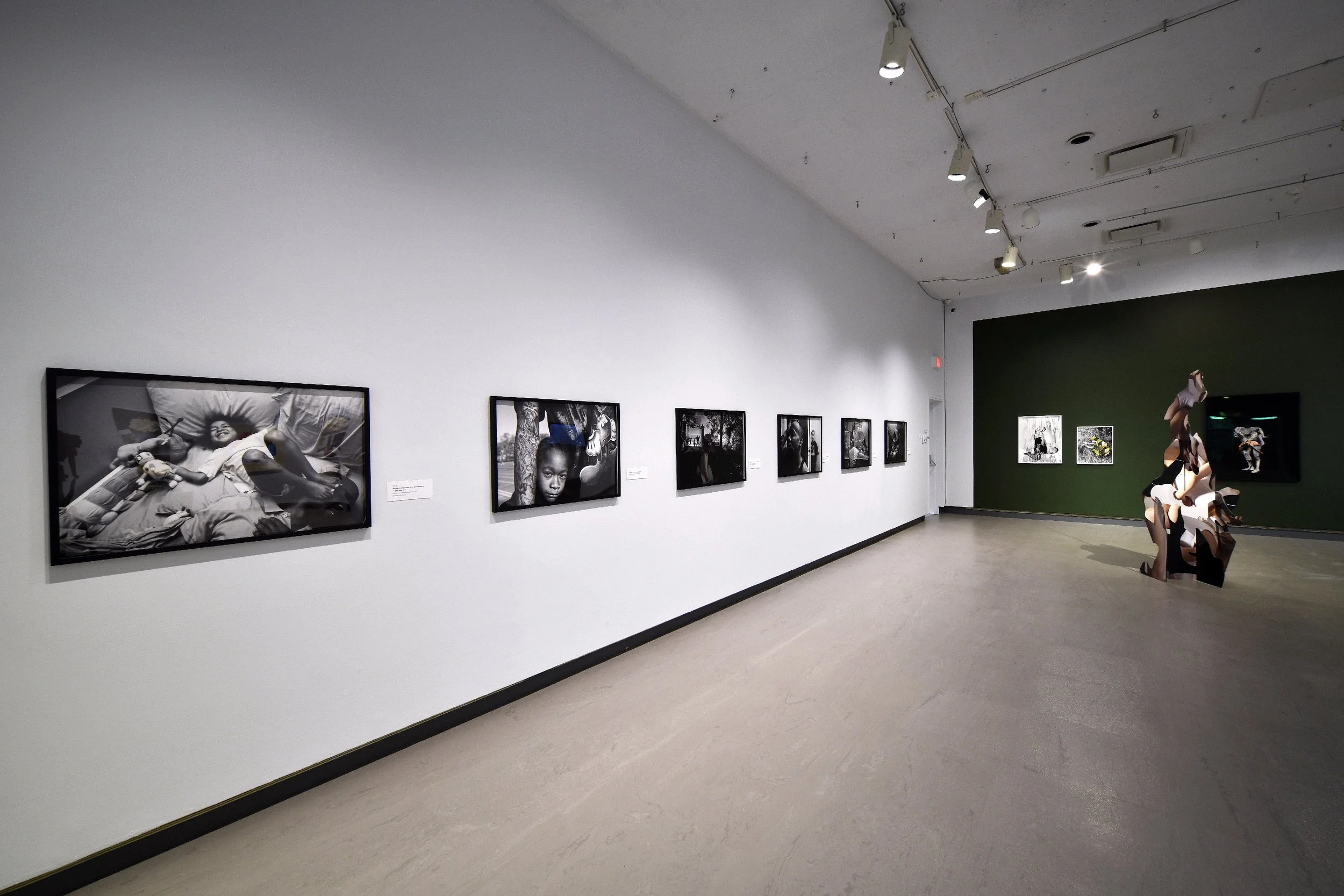
Zun Lee’s photographic series Father Figure centres the experience of Black fathers and families. Raised by Korean parents and mentored by Black men in his community, he discovered in adulthood that his biological father was Black. This led to his interest in community-focused relational work that addressed the misrepresentation of Black masculinity and fatherhood in Western culture.
Through his photography, he foregrounds the realities of Black families in North America and confronts structural racism faced by Black men as well as the negative societal stereotypes about their ability to care for, nurture, and be present for their children. In his multi-year project, Lee spent countless hours over several years with Black families throughout Canada and the US, spending time with them in a variety of circumstances and emotional spaces. Through sensitive black and white photography, Lee captures deeply intimate and highly relatable moments across domestic life, work, rest, play, as well as during periods of hardships. Lee presents universally felt moments between Black fathers and their children and highlights what has always been true, which is their capacity for mentorship, tender care, steadfast presence, and unconditional love.
As the phrase “connective tissue” suggests, the fibre that bind as families, friends, communities, and cultures is neither delicate nor easily frayed. Rather, it is a resilient web that carries us across generations, linking past and present through shared experience, memory, ritual, and care. Ultimately, it is made of the rich human capacity for emotional intelligence fused within complex social spheres that allows us to remember, to gather, to grieve, to celebrate, to love, and to nurture relationships across time and generations, tethering us to each other, to those who came before, and those who will follow.
[1] Eco-developing is a sustainable process to develop analogue film using organic, plant-based materials and non-toxic chemicals.
Images ↑
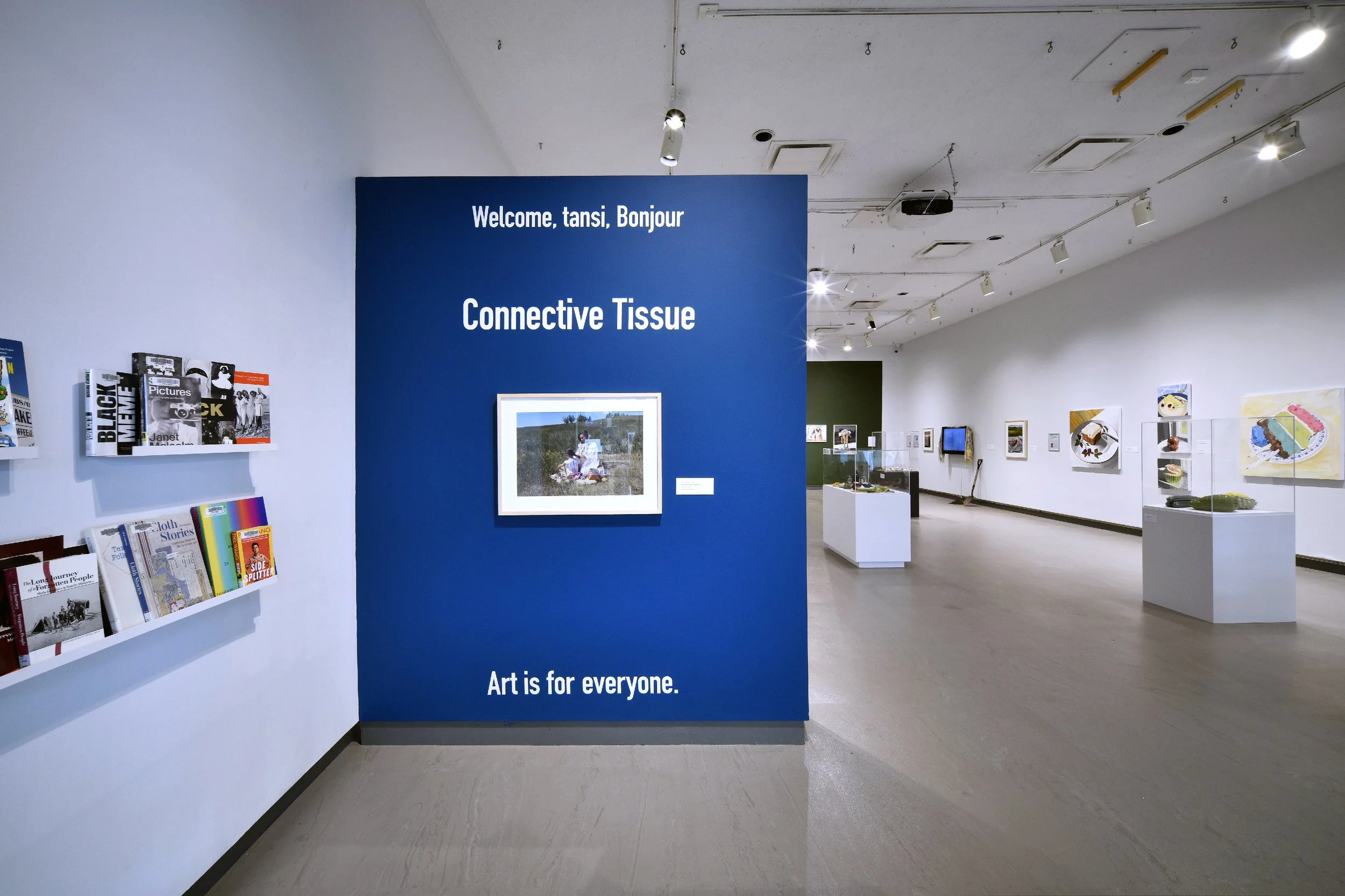
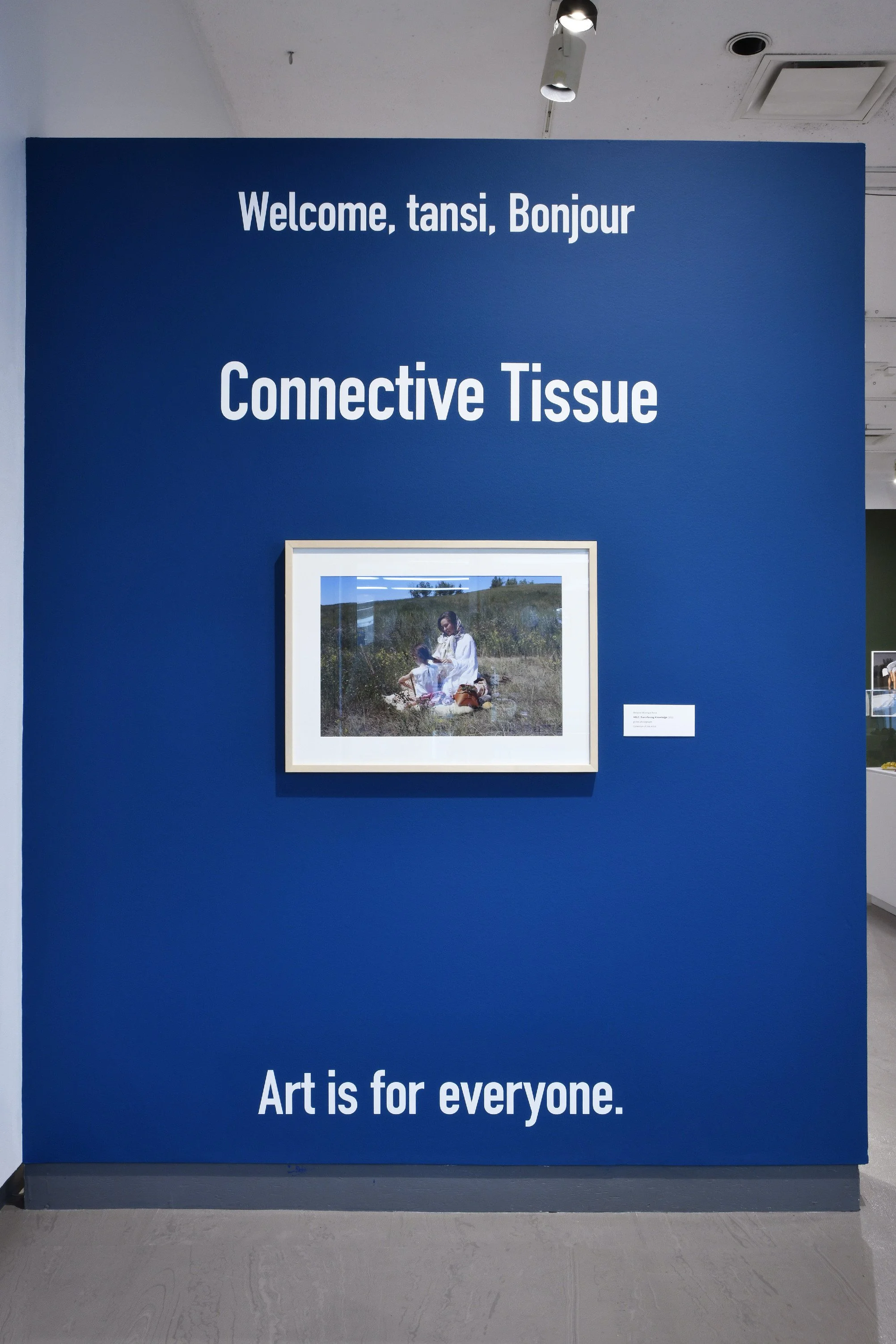
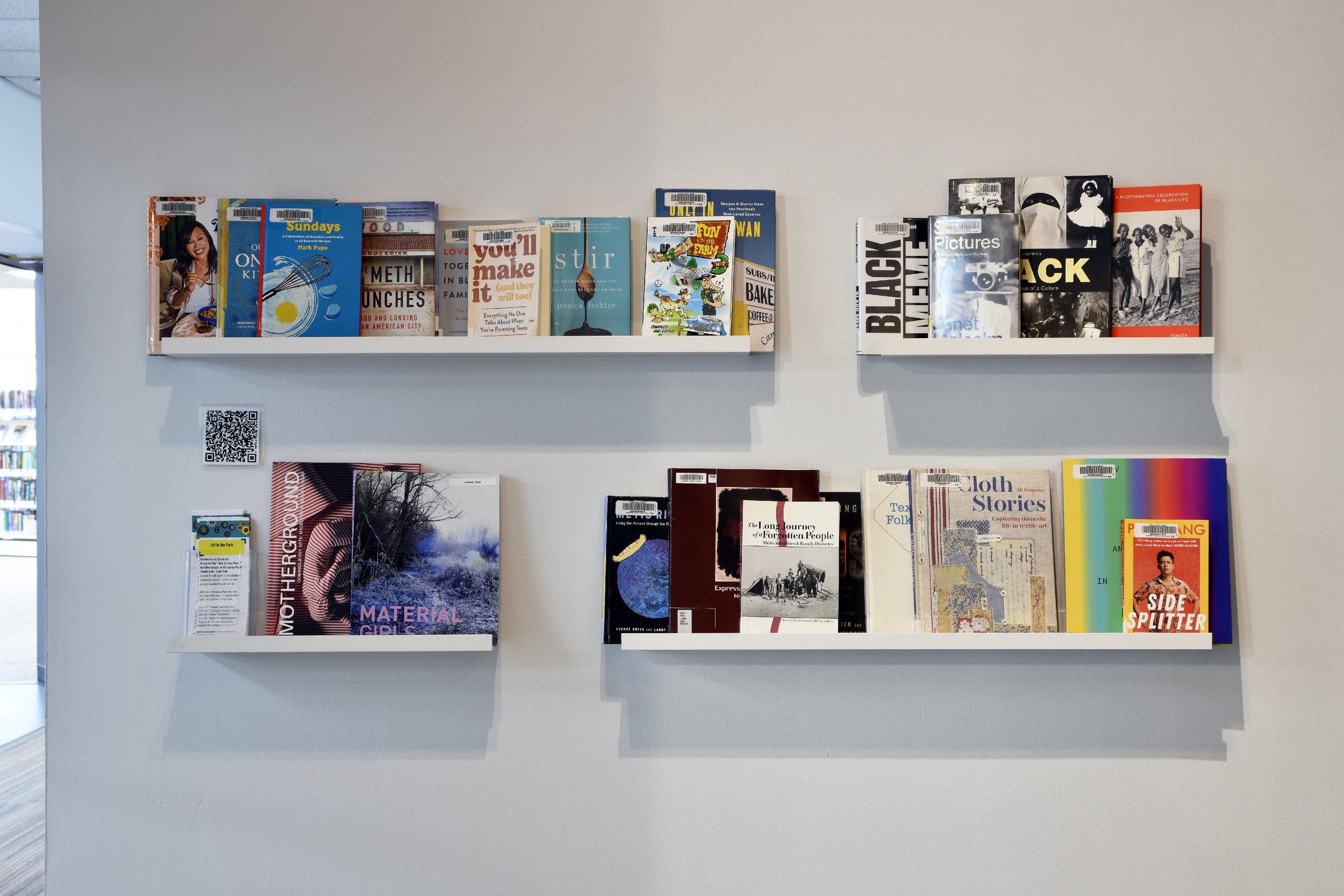
Photos by Don Hall
Media ↑